Carcar City
Carcar: The Living Museum and Culinary Citadel of Southern Cebu
The component city of Carcar, majestically dubbed the "Heritage City of the South," holds an illustrious place in the historical fabric of Cebu province. Long before Western sails emerged on the horizon, the region flourished as a thriving pre-colonial maritime territory known as Sialo or Kabkad, ruled by native elites who navigated the local riverways. In 1599, Spanish Augustinian missionaries formally established a parish and town in the area, rendering it one of the oldest colonial foundations in the entire archipelago. Due to relentless Moro pirate raids targeting the initial coastal settlement, the early community strategically relocated its center slightly inland to the current Poblacion site, evolving during the late 19th and early 20th centuries into a wealthy agricultural and sugar-manufacturing capital.
Carcar’s rich cultural tapestry is seamlessly woven from deep Catholic devotion, a vibrant literary tradition, and a fierce collective pride in heritage preservation. This cultural identity takes center stage every late November during the Kabkaban Festival, celebrated in conjunction with the feast of their patron saint, Catherine of Alexandria. The festival bursts with energetic street pageantry, elaborate traditional costumes, and synchronized choreography that dramatically retells the town's historical victories over foreign invaders. Beyond performance art, the community's creative and industrious soul is reflected in a centuries-old dedication to native craftsmanship, which has proudly earned Carcar the official moniker of the "Shoe Capital of Cebu".
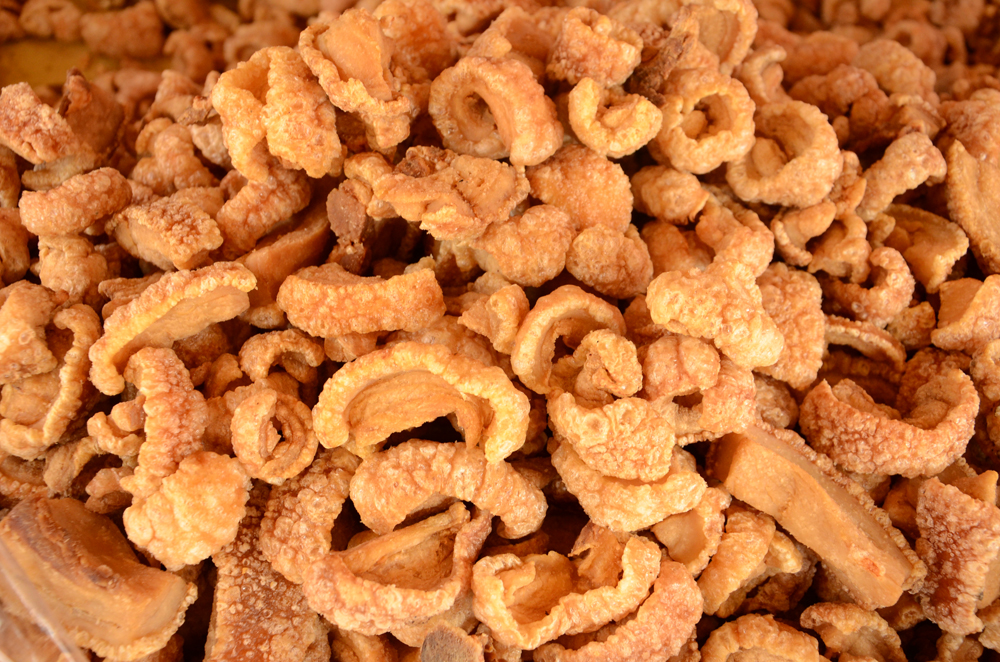
Gastronomy stands as an absolute pillar of Carcar’s widespread fame, drawing a steady stream of culinary travelers from across the nation. The ultimate centerpiece of local cuisine is the world-renowned Carcar Lechon, a extraordinarily flavorful roasted pig continuously basted in native herbs, garlic, and secret fruit juices that puddle into a savory dipping broth. Travelers flocking to the iconic Carcar City Rotunda will also find bustling rows of vendors selling the city's legendary Chicharon (ultra-crispy pork cracklings), Ampao (sweet, crispy puffed rice cakes), and Bucarillo (vibrantly colored, sweet shredded coconut strips).
As an unparalleled open-air museum, Carcar boasts an incredible concentration of remarkably preserved Spanish and American colonial architecture. Dominating the town plaza is the magnificent Archdiocesan Shrine of St. Catherine of Alexandria, an architectural masterpiece built between 1860 and 1875 featuring strong Greco-Roman aesthetics paired with distinctive, Muslim-inspired onion-shaped minarets on its twin bell towers. Just a short walk away, visitors are swept back in time along Santa Catalina Street, where grand 19th-century ancestral homes stand proudly, including the legendary Balay na Tisa with its original terracotta tile roof, and the striking blue, Mediterranean-style Mercado Mansion.
The city's architectural treasures extend seamlessly into the American colonial period, highlighted by the breathtaking Carcar City Museum. Originally constructed in 1929 as a women's healthcare clinic and puericulture center, this beautifully maintained two-story structure showcases a unique, dollhouse-like Art Deco design engineered to ease patients' anxieties. Today, its well-preserved rooms serve as galleries holding traditional corn-milling stones, vintage leather-cutting tools from the early shoemaking era, historical wartime weaponry, and antique colonial garments. For spiritual reflection, the city also hosts the highly revered Archbishop Teofilo Camomot Shrine in Barangay Valladolid, drawing thousands of devotees to honor the beloved, humble prelate whose path to sainthood is currently being processed at the Vatican.
Ultimately, Carcar City represents a crucial and irreplaceable anchor of cultural pride within the province of Cebu. In a rapidly globalizing world, the city has successfully championed structural preservation by enforcing strict local ordinances that guarantee its ancient public plazas, centuries-old roads, and stately mansions are kept intact. Visiting Carcar today offers a highly authentic, multi-sensory journey through Philippine history—allowing travelers to marvel at majestic colonial facades, listen to the rhythmic tapping of local shoe artisans, and indulge in some of the most celebrated culinary staples in the Visayas.

UPCOMING FESTIVAL
Gikan sa idea, mahimong obra!
Verified Establishments
Hand-picked destinations preserving Carcar City's legacy.
No Verified Establishments added.