Cebu, Through the Traditions We Keep and the New Ones We Create
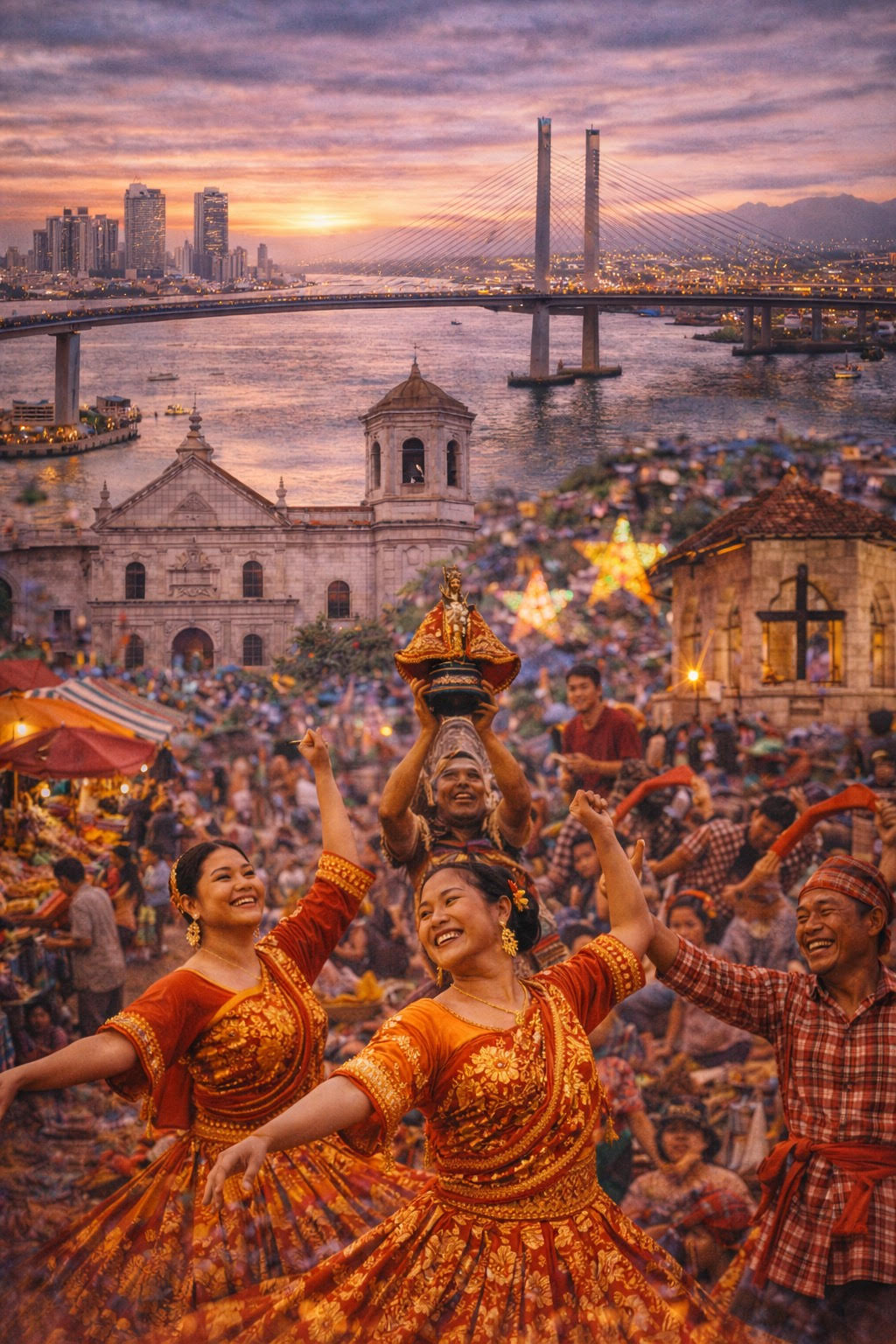
Cebu’s culture is not a museum. It is movement found in celebration, work, music, and daily life. It honors generations past while making space for new rhythms shaping the city today.
Tradition Is Not the Past, It’s the Base
A tradition is not valuable because it is old. It is valuable because it has survived. It has been repeated, protected, adapted, and passed on. Cebu’s cultural identity comes from what we keep doing even when the world changes: the stories, the gestures, the community pride, the way celebrations are never just entertainment but belonging.
A tradition is not valuable because it is old. It is valuable because it has survived. It has been repeated, protected, adapted, and passed on. Cebu’s cultural identity comes from what we keep doing even when the world changes: the stories, the gestures, the community pride, the way celebrations are never just entertainment but belonging.
Festivals Are Public Memory
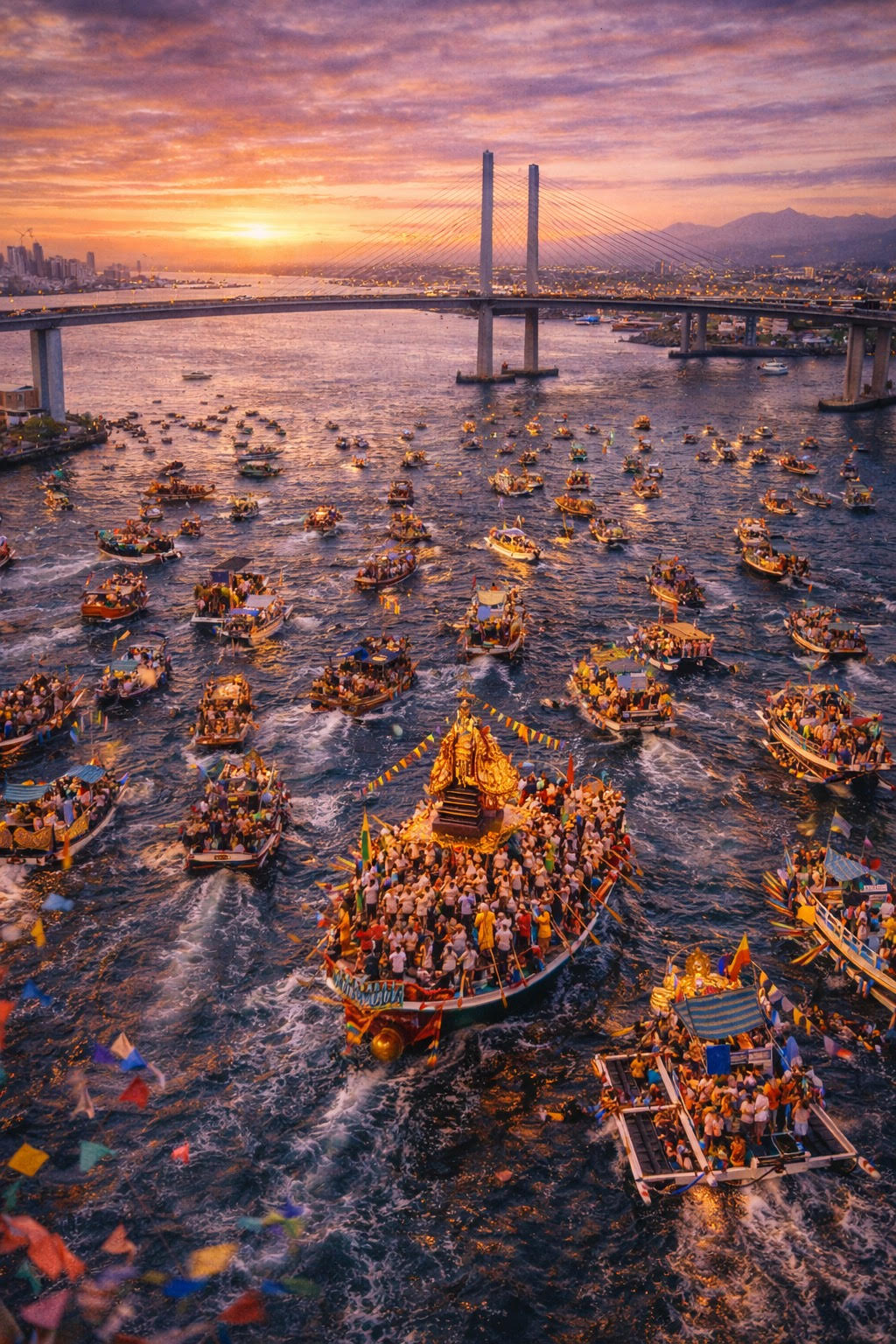
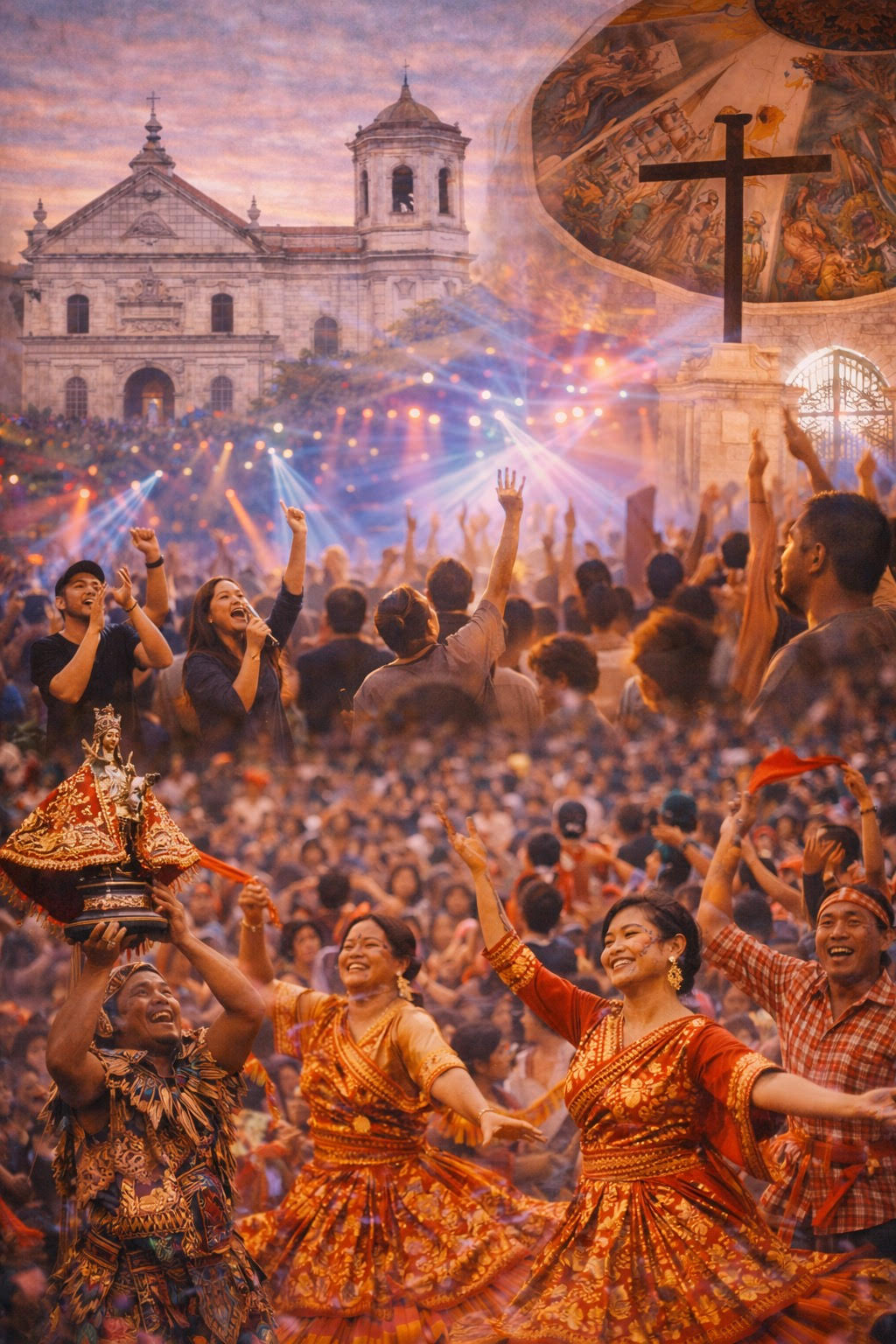
When Cebu celebrates, it remembers out loud. Festivals turn streets into shared history. The music, the dance, the color, the crowd, the energy, all of it becomes a living archive. It reminds locals who they are, and it shows newcomers what matters here: faith in community, pride in place, and a joy that does not need permission.
When Cebu celebrates, it remembers out loud. Festivals turn streets into shared history. The music, the dance, the color, the crowd, the energy, all of it becomes a living archive. It reminds locals who they are, and it shows newcomers what matters here: faith in community, pride in place, and a joy that does not need permission.
Everyday Culture Happens in the Market
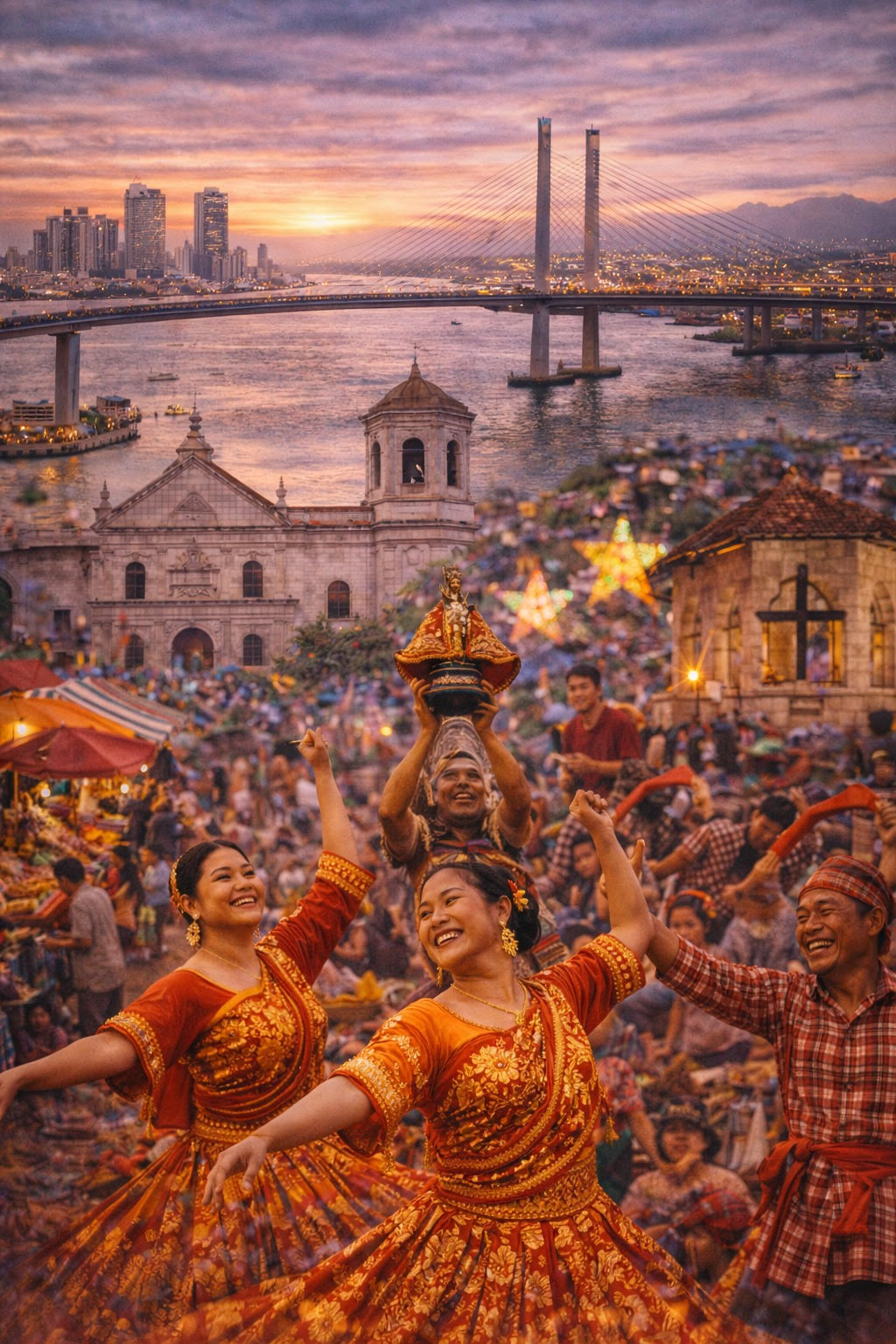
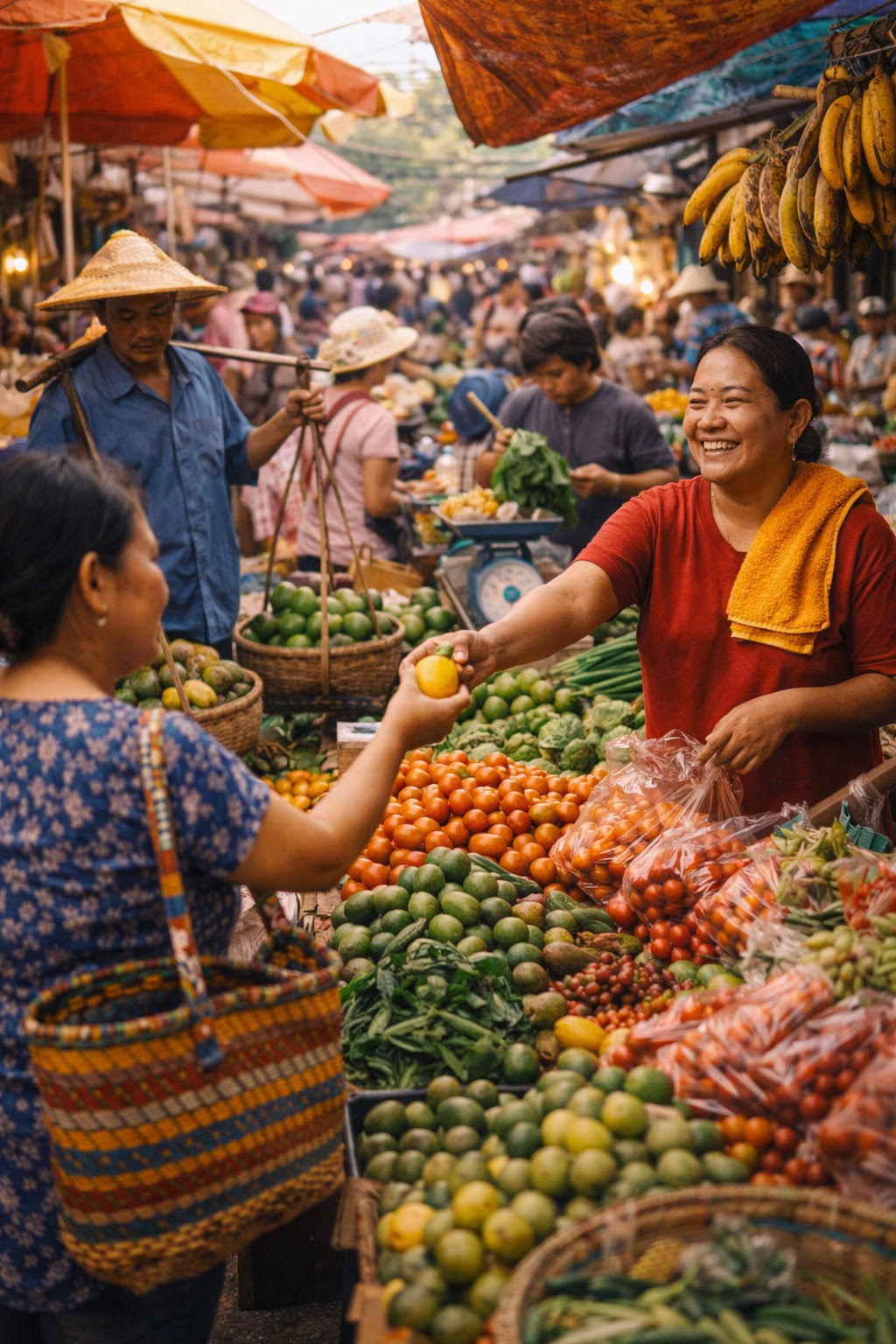
Culture is not only on stage. It is also in baskets, stalls, hands, and small negotiations. It is the vendor who knows your usual. The way food is displayed like art. The way a neighborhood wakes up together. Markets show what people value and what they can afford, and they tell the most honest story of a city’s daily life.
Culture is not only on stage. It is also in baskets, stalls, hands, and small negotiations. It is the vendor who knows your usual. The way food is displayed like art. The way a neighborhood wakes up together. Markets show what people value and what they can afford, and they tell the most honest story of a city’s daily life.
Food Is Identity You Can Share
Cebuano culture travels fastest through taste. Food is how stories become physical. It is how elders teach without lecturing. It is how families stay close. It is how strangers become friends. Every dish is a memory and a message: this is where we come from, and you are welcome at the table.
Cebuano culture travels fastest through taste. Food is how stories become physical. It is how elders teach without lecturing. It is how families stay close. It is how strangers become friends. Every dish is a memory and a message: this is where we come from, and you are welcome at the table.
Clothing and Craft Carry Meaning
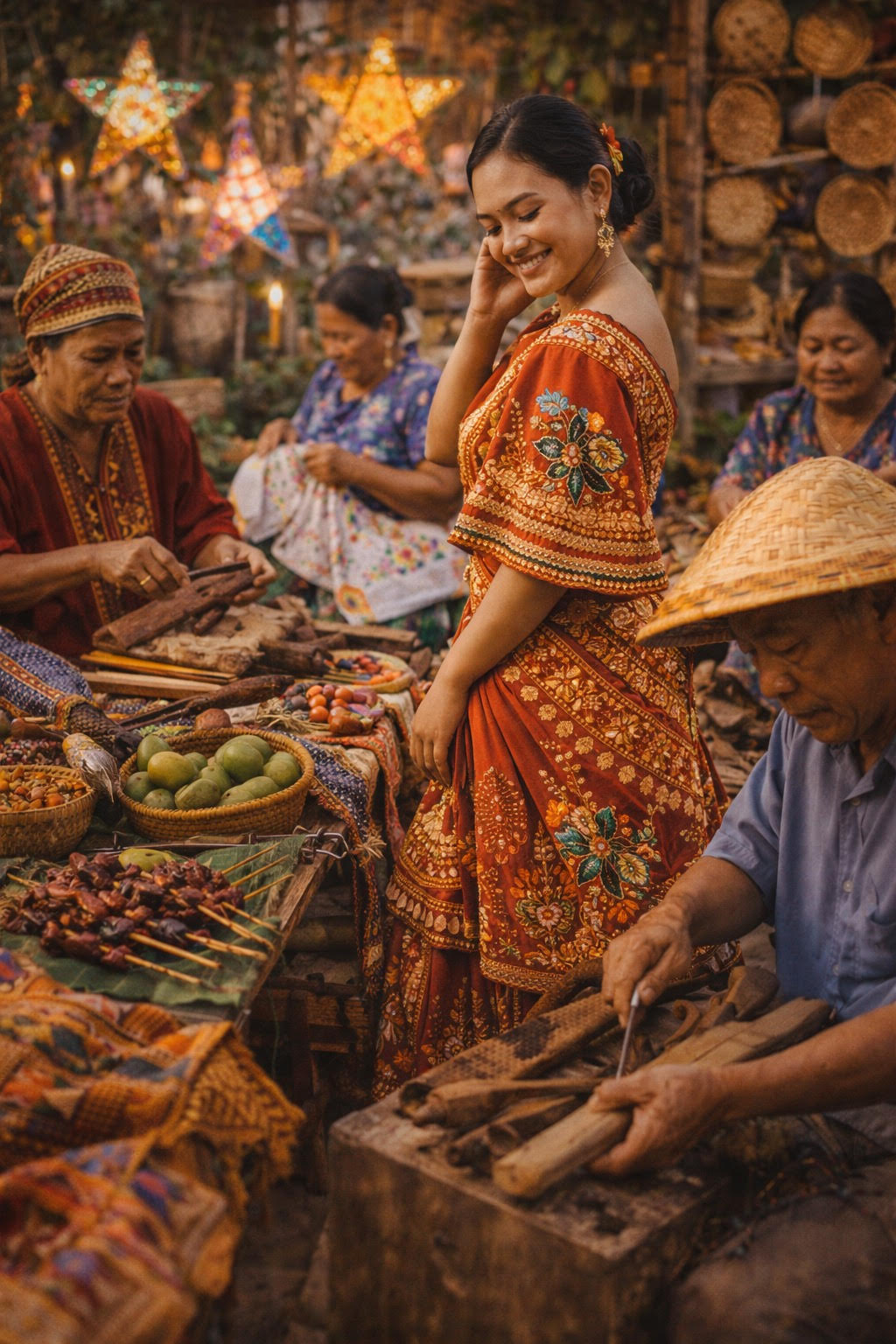
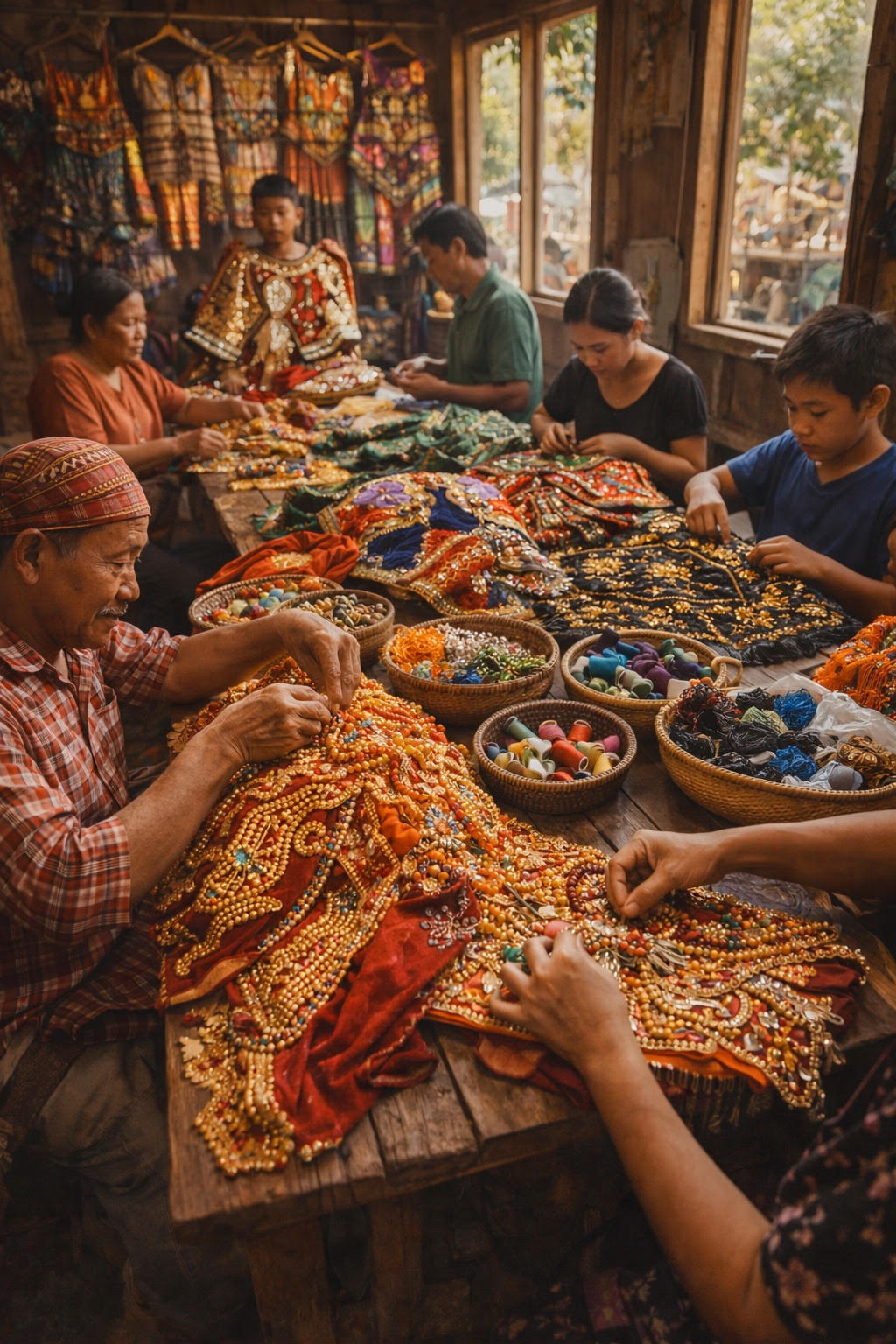
What we wear during cultural moments is not just design, it is symbolism. Patterns and textures carry heritage, celebration, and pride. Craft is patience turned into beauty. When these crafts survive, it means the community still values the hands behind the work, not only the finished product.
What we wear during cultural moments is not just design, it is symbolism. Patterns and textures carry heritage, celebration, and pride. Craft is patience turned into beauty. When these crafts survive, it means the community still values the hands behind the work, not only the finished product.
Modern Cebu Is Still Cebu
New influences will always arrive, and that is normal. The question is not whether Cebu changes, it is whether Cebu stays rooted while changing. Modern Cebu can be louder, faster, more connected, more global, and still remain Cebu, as long as it does not trade depth for trend.
New influences will always arrive, and that is normal. The question is not whether Cebu changes, it is whether Cebu stays rooted while changing. Modern Cebu can be louder, faster, more connected, more global, and still remain Cebu, as long as it does not trade depth for trend.
Culture Is a Responsibility, Not a Costume
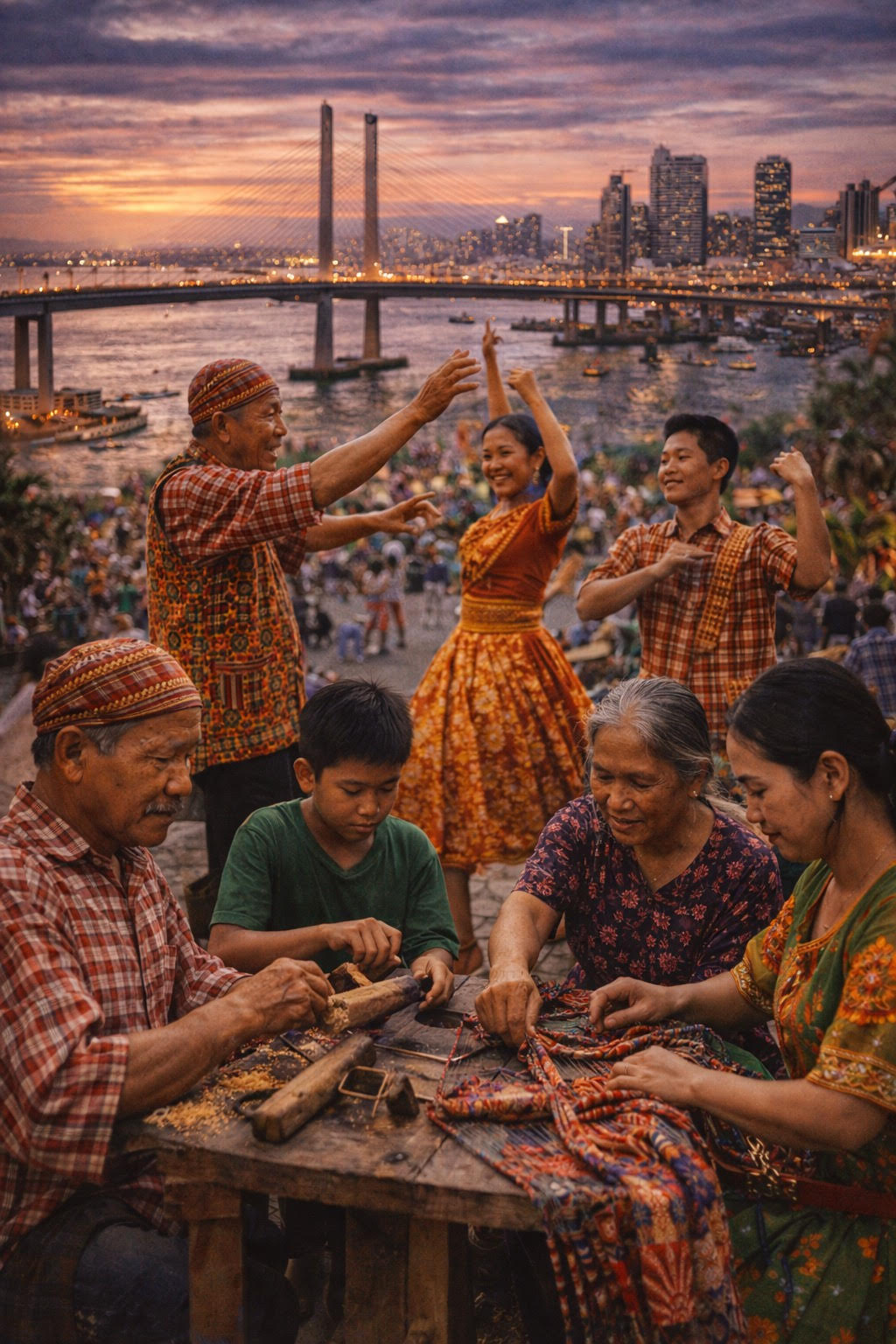
There is a difference between appreciating culture and consuming it. If we want Cebu’s traditions to last, we have to protect the people who keep them alive: artists, dancers, craftsmen, cooks, vendors, organizers, and cultural workers. Culture fades when it is treated like content. It grows when it is respected like a living thing.
There is a difference between appreciating culture and consuming it. If we want Cebu’s traditions to last, we have to protect the people who keep them alive: artists, dancers, craftsmen, cooks, vendors, organizers, and cultural workers. Culture fades when it is treated like content. It grows when it is respected like a living thing.
The Future Is Created by People Who Remember
The most powerful kind of progress is the kind that does not erase. Cebu’s next chapter should be written by people who remember where we came from, and who still have the courage to create what has never existed before. That is what makes a culture strong: continuity, plus imagination.
The most powerful kind of progress is the kind that does not erase. Cebu’s next chapter should be written by people who remember where we came from, and who still have the courage to create what has never existed before. That is what makes a culture strong: continuity, plus imagination.