Volunteer Culture: The People Who Show Up, Donate, Cook, Pack, and Clean
In Cebu, volunteering is simple and sincere. It is people answering a call for help, showing up with what they have, and doing what is needed without asking for recognition.
In Cebu, volunteering rarely looks like a formal program. It looks like someone posting a call for help, and ten people replying before the hour ends. It looks like folded sleeves, borrowed tables, sacks of rice arriving one by one, and a pot that starts small then grows into something that can feed a crowd. It looks like people who do not ask who will notice, they ask what is needed.
The Ones Who Show Up
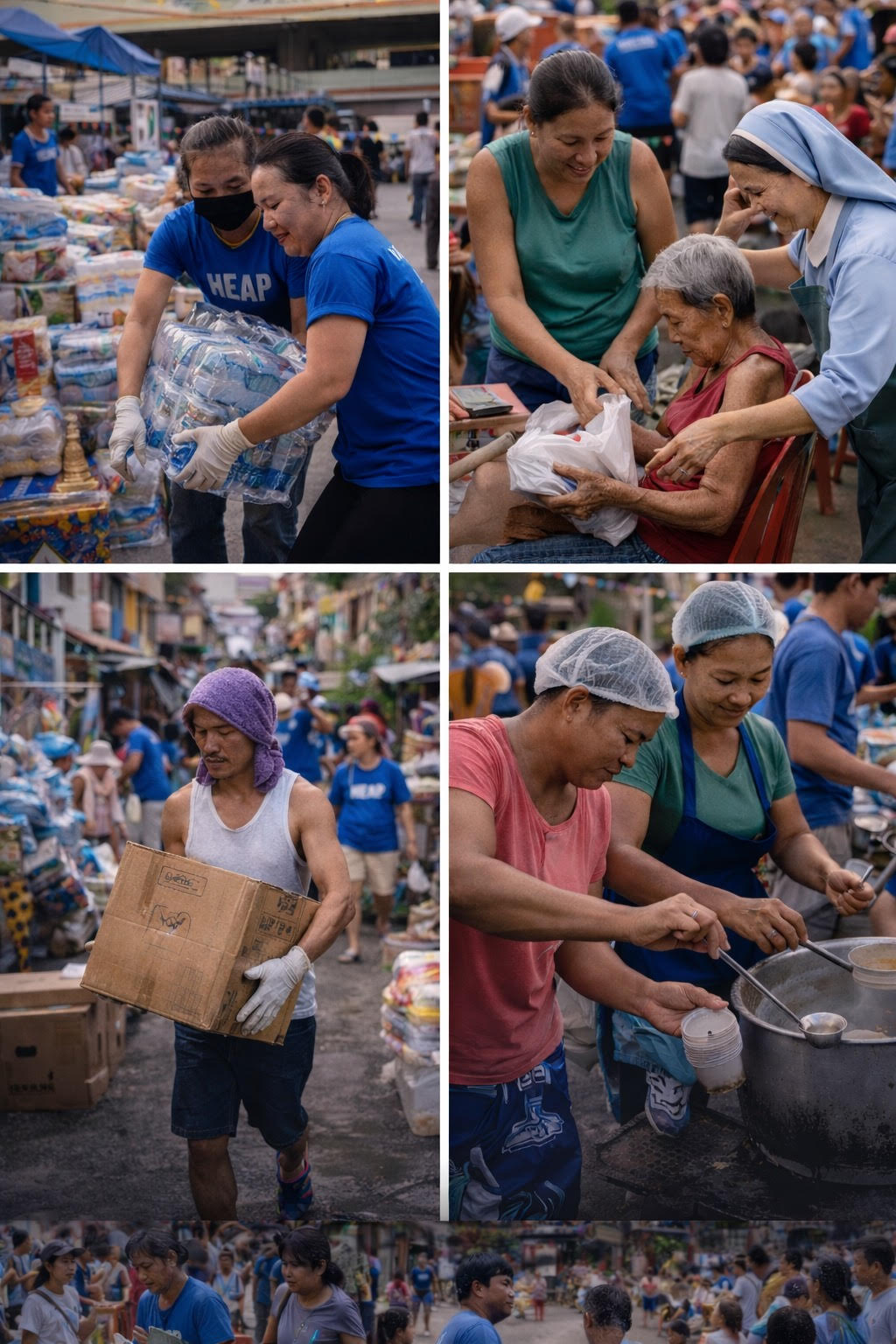
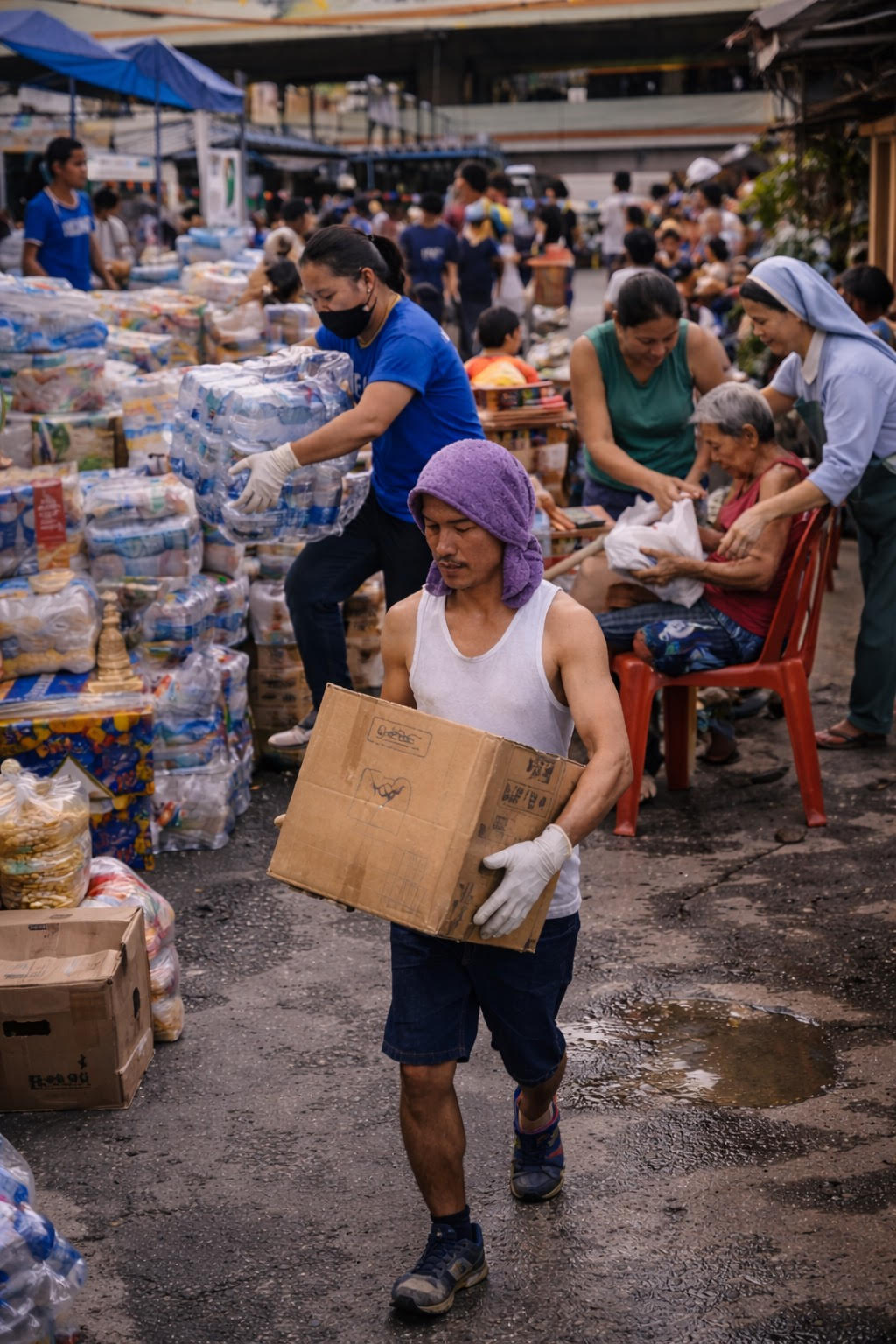
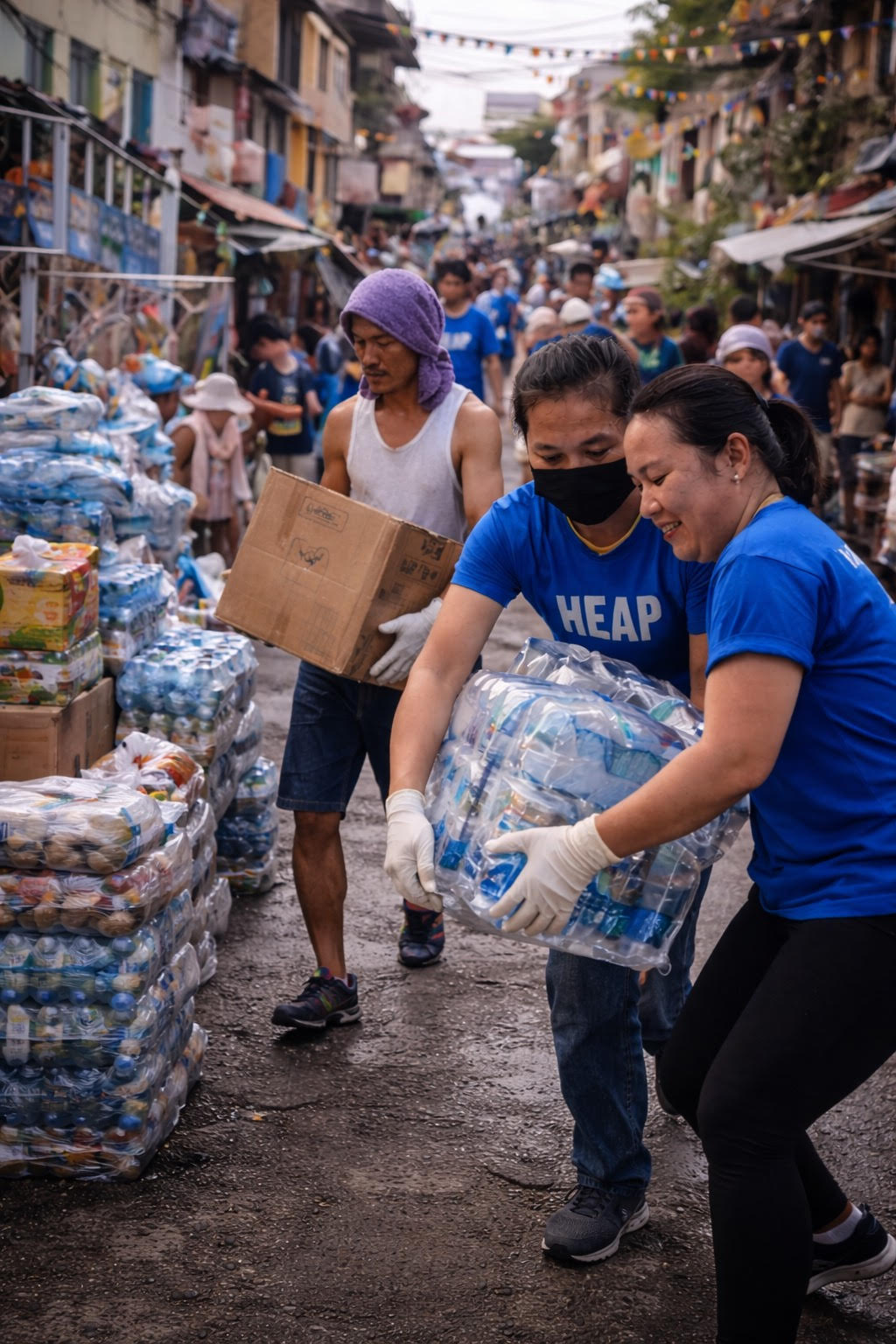
The most reliable volunteers are not always the loudest. They are the consistent ones. The ones who arrive early, set up quietly, and stay long enough to do the unglamorous parts. They lift boxes, line up goods, carry water, and guide people through a process that has to stay calm, fair, and organized. In every community effort, there is always that one person who keeps the line moving and the mood steady. Most of the time, they are not even “in charge.” They just care enough to lead.
The most reliable volunteers are not always the loudest. They are the consistent ones. The ones who arrive early, set up quietly, and stay long enough to do the unglamorous parts. They lift boxes, line up goods, carry water, and guide people through a process that has to stay calm, fair, and organized. In every community effort, there is always that one person who keeps the line moving and the mood steady. Most of the time, they are not even “in charge.” They just care enough to lead.
The Donors Who Give Without Drama
Donations in Cebu are often simple, practical, and personal. A tray of eggs. A box of noodles. Used clothes, freshly washed. A few hundred pesos slipped into a hand with a quiet “para sa snacks ninyo.” Some donors give big. Many give small. What matters is the pattern: people give what they can, when they can, and they do it without needing credit. In a city where everyone knows life can turn fast, generosity becomes a kind of reflex.
Donations in Cebu are often simple, practical, and personal. A tray of eggs. A box of noodles. Used clothes, freshly washed. A few hundred pesos slipped into a hand with a quiet “para sa snacks ninyo.” Some donors give big. Many give small. What matters is the pattern: people give what they can, when they can, and they do it without needing credit. In a city where everyone knows life can turn fast, generosity becomes a kind of reflex.
The Cooks Who Feed the Work
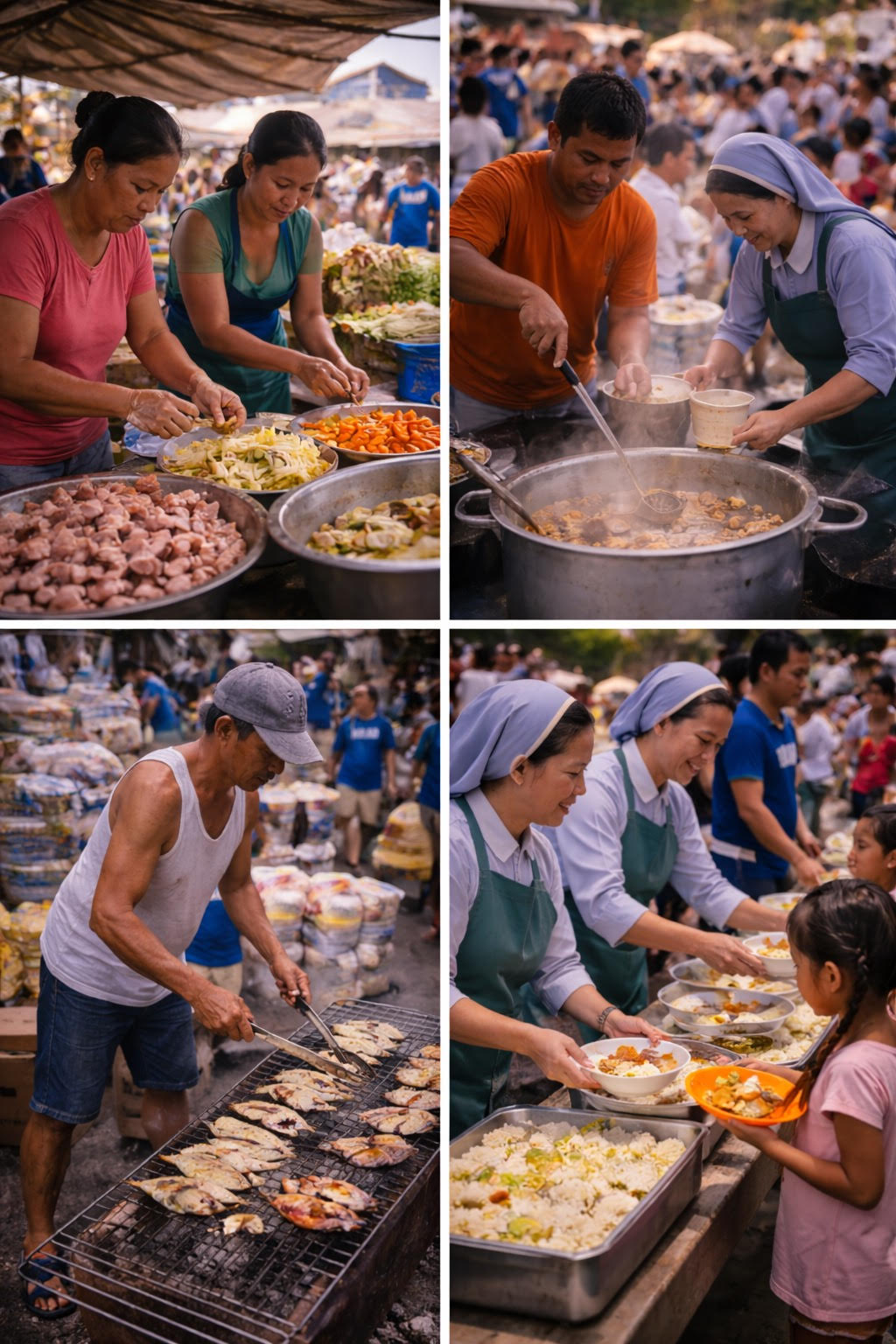
There is a special kind of volunteer who feeds everyone else. They do not just cook, they sustain the entire operation. Community kitchens appear like magic, but they are built by planning, patience, and stamina. Someone shops. Someone chops. Someone watches the fire. Someone washes the pots. Someone makes sure the kids eat first. The food itself becomes a language: you belong here, you are not alone, you will make it through today.
There is a special kind of volunteer who feeds everyone else. They do not just cook, they sustain the entire operation. Community kitchens appear like magic, but they are built by planning, patience, and stamina. Someone shops. Someone chops. Someone watches the fire. Someone washes the pots. Someone makes sure the kids eat first. The food itself becomes a language: you belong here, you are not alone, you will make it through today.
The Packers Who Turn Chaos Into Order
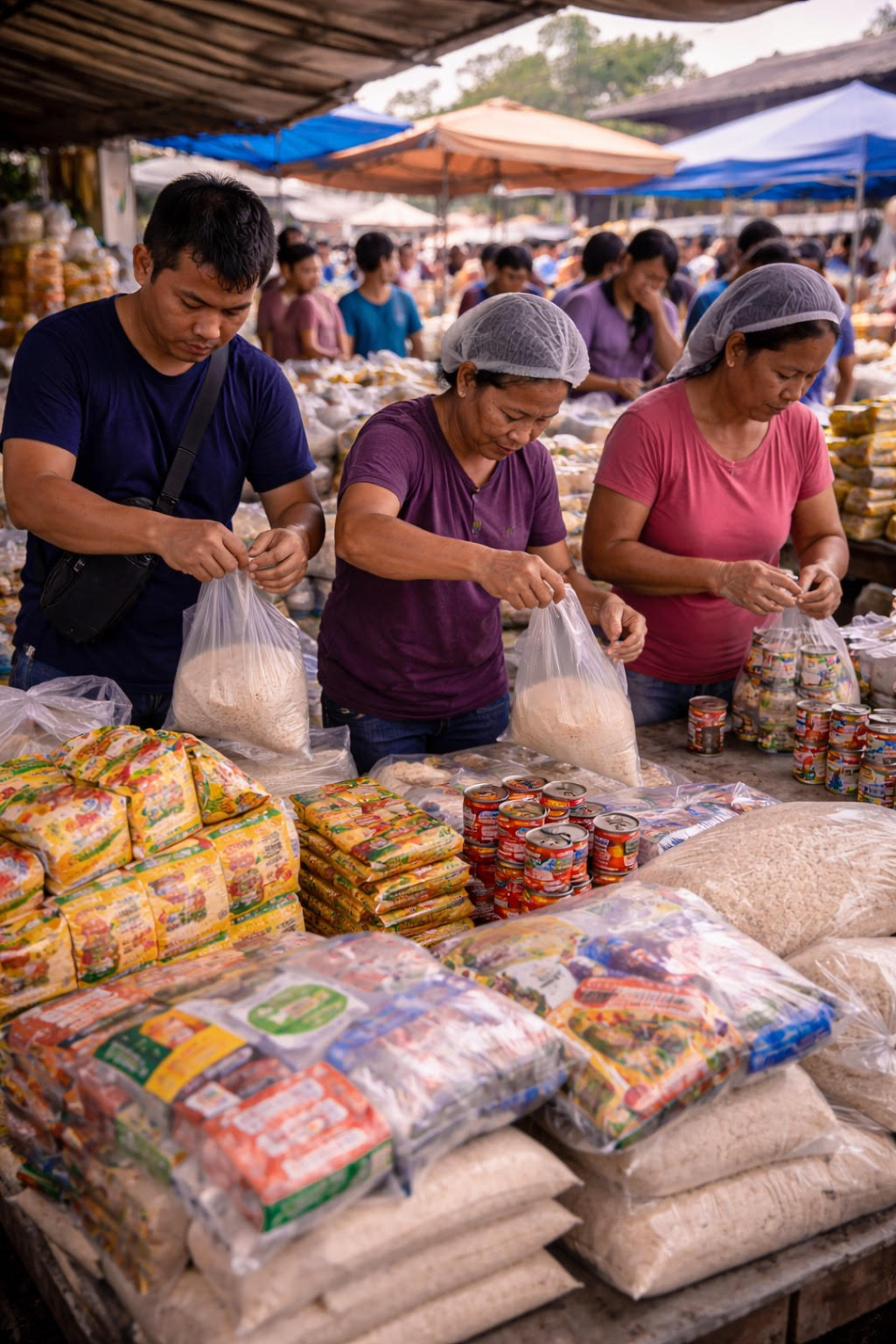
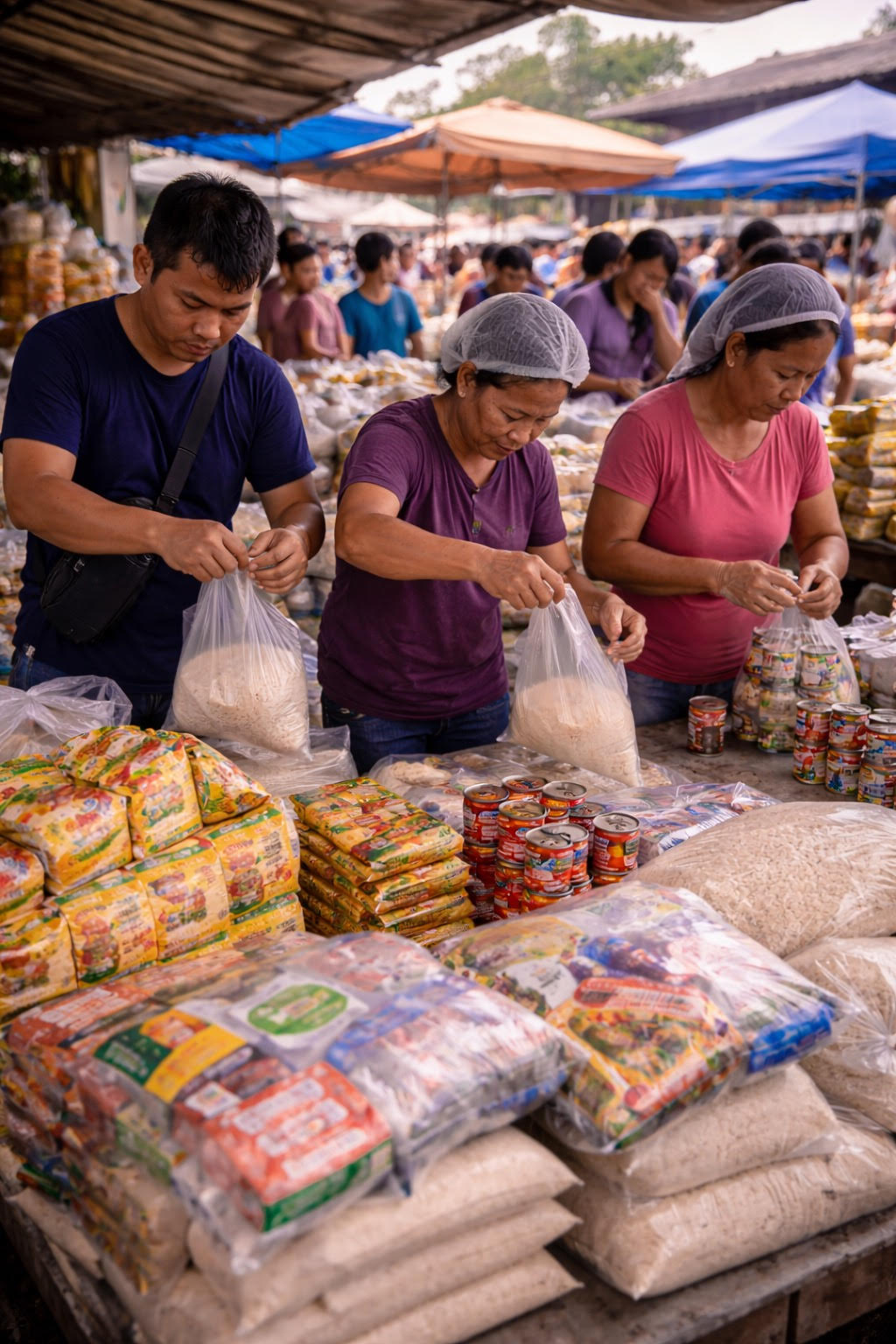
Packing is where good intentions become real help. It is where systems matter, and where volunteers learn fast. Measuring, counting, labeling, stacking. Making sure each pack is fair, complete, and easy to distribute. The packers are the reason a donation drive becomes a distribution, not a mess. They are the invisible organizers who translate kindness into something people can actually bring home.
Packing is where good intentions become real help. It is where systems matter, and where volunteers learn fast. Measuring, counting, labeling, stacking. Making sure each pack is fair, complete, and easy to distribute. The packers are the reason a donation drive becomes a distribution, not a mess. They are the invisible organizers who translate kindness into something people can actually bring home.
The Cleaners Who Stay After the Applause
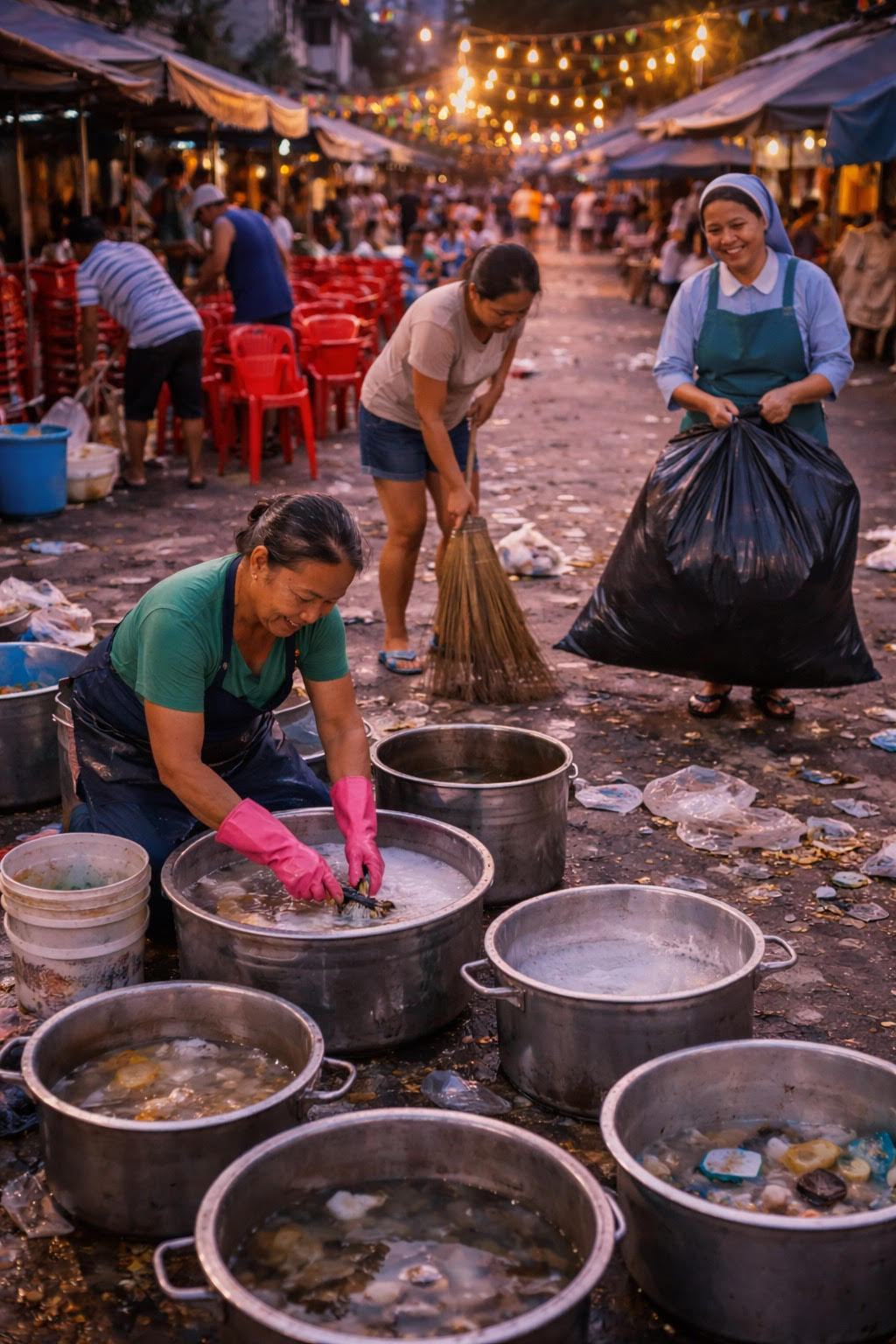
The last volunteers to leave are often the most important. They sweep. They collect trash. They rinse the sticky tables. They return borrowed chairs. They fold tarps and haul empty boxes. When the photos are done and the crowd is gone, they make sure the community space is restored, respected, and ready for the next day. That kind of care is not glamorous, but it is deeply Cebuano.
The last volunteers to leave are often the most important. They sweep. They collect trash. They rinse the sticky tables. They return borrowed chairs. They fold tarps and haul empty boxes. When the photos are done and the crowd is gone, they make sure the community space is restored, respected, and ready for the next day. That kind of care is not glamorous, but it is deeply Cebuano.
Why This Culture Matters
Volunteer culture is not just “nice.” It is resilience. It is a city teaching itself how to respond before help arrives. It is civic life happening in real time. It also reveals something else: people trust each other enough to cooperate. Even with different backgrounds, different opinions, different struggles, the moment a need becomes clear, the instinct is to help.
Volunteer culture is not just “nice.” It is resilience. It is a city teaching itself how to respond before help arrives. It is civic life happening in real time. It also reveals something else: people trust each other enough to cooperate. Even with different backgrounds, different opinions, different struggles, the moment a need becomes clear, the instinct is to help.