The 24-Hour Cebu Economy
Cebu Doesn’t Clock Out
Cebu Doesn’t Clock Out
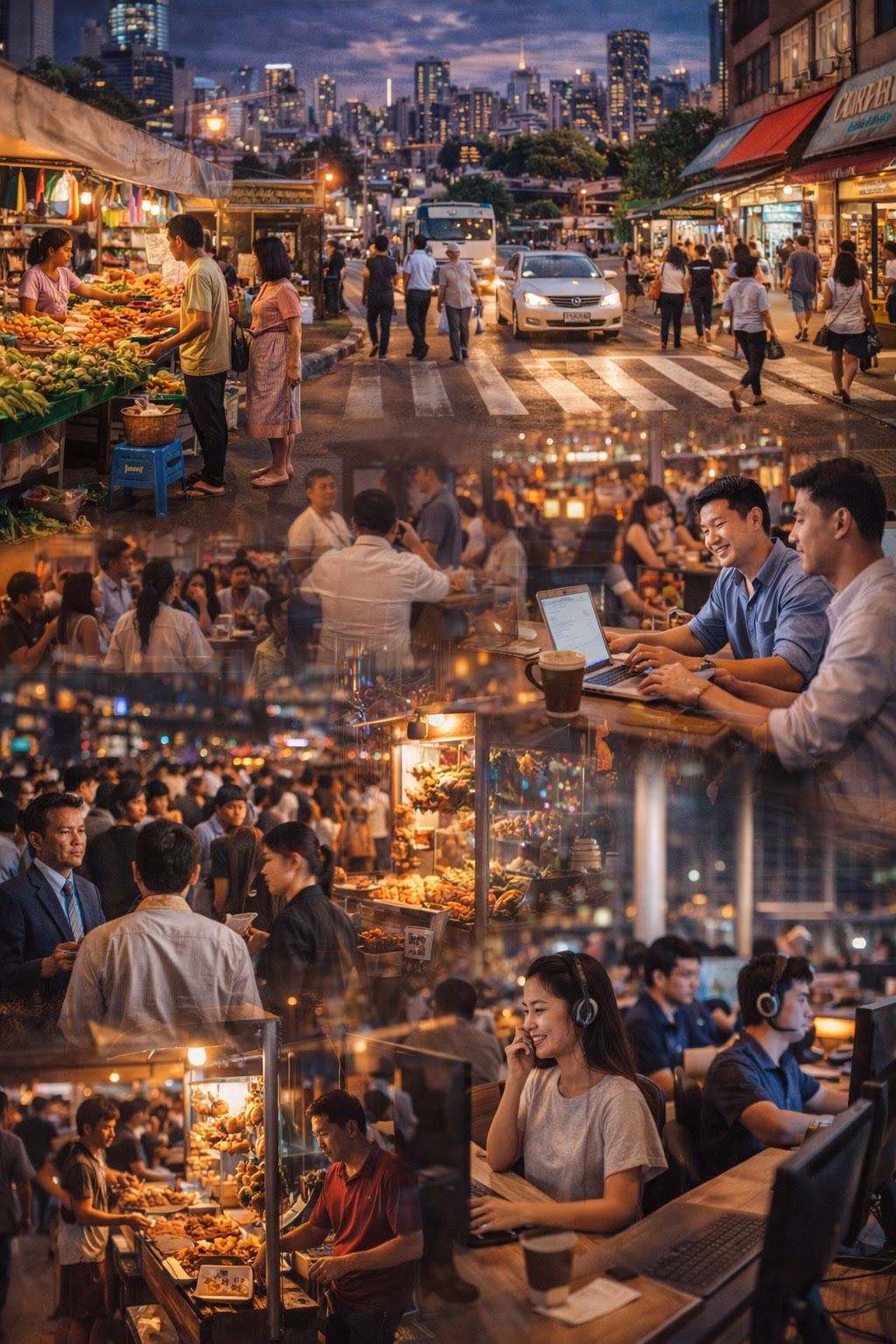
Cebu does not “close.” It shifts. Morning traffic gives way to midday transactions, then to evening crowds, then to the quiet hum of night work that keeps entire buildings lit while most homes sleep. The city’s rhythm is not one straight line. It is a loop. And if you pay attention, you can see how commerce here is built on timing, stamina, and the ability to keep going without losing yourself.
Cebu does not “close.” It shifts. Morning traffic gives way to midday transactions, then to evening crowds, then to the quiet hum of night work that keeps entire buildings lit while most homes sleep. The city’s rhythm is not one straight line. It is a loop. And if you pay attention, you can see how commerce here is built on timing, stamina, and the ability to keep going without losing yourself.
BPO: The Night Shift Backbone
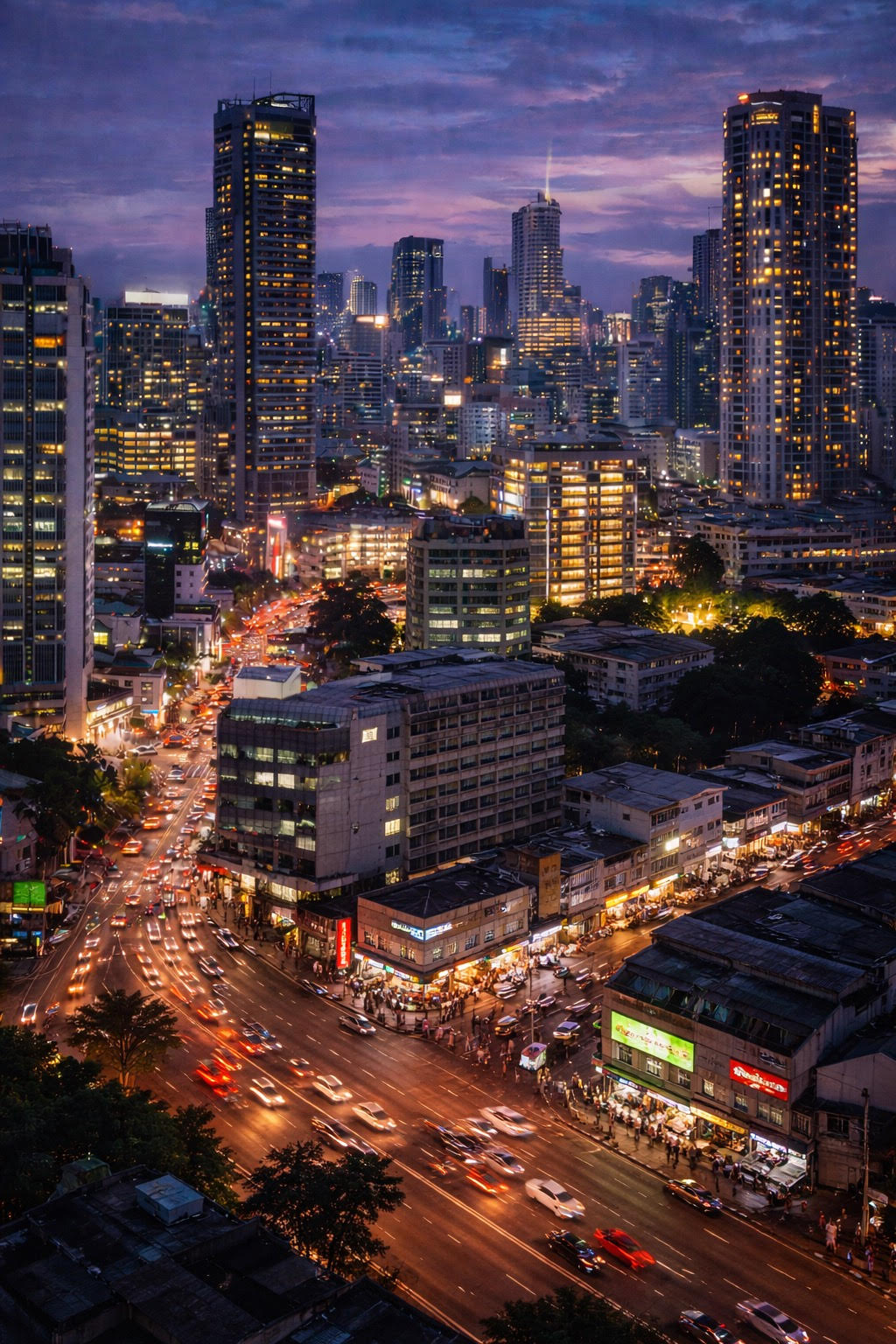
The BPO industry did more than provide jobs. It rewired Cebu’s schedule. It created a steady population whose “normal” hours are inverted, whose payday spending supports transport routes, food stalls, convenience stores, rentals, and services that stay open because someone needs them after midnight. It is a backbone, but it is also a weight. A night economy feeds the city, yet it asks a lot from the people carrying it: sleep debt, health strain, and a social life that often runs out of alignment with family and friends.
The BPO industry did more than provide jobs. It rewired Cebu’s schedule. It created a steady population whose “normal” hours are inverted, whose payday spending supports transport routes, food stalls, convenience stores, rentals, and services that stay open because someone needs them after midnight. It is a backbone, but it is also a weight. A night economy feeds the city, yet it asks a lot from the people carrying it: sleep debt, health strain, and a social life that often runs out of alignment with family and friends.

Coffee Shops as Second Offices
In Cebu, coffee shops are no longer just a break. They are infrastructure. They are where proposals get refined, interviews get scheduled, side hustles get built, and friendships get stitched together between errands. The café became a shared workspace, a meeting room, a study hall, sometimes even a safe pause from a crowded home. This is modern Cebu: productivity and comfort in the same place, ambition served with ice and foam.
In Cebu, coffee shops are no longer just a break. They are infrastructure. They are where proposals get refined, interviews get scheduled, side hustles get built, and friendships get stitched together between errands. The café became a shared workspace, a meeting room, a study hall, sometimes even a safe pause from a crowded home. This is modern Cebu: productivity and comfort in the same place, ambition served with ice and foam.


Bars and Late Nights as Real Commerce
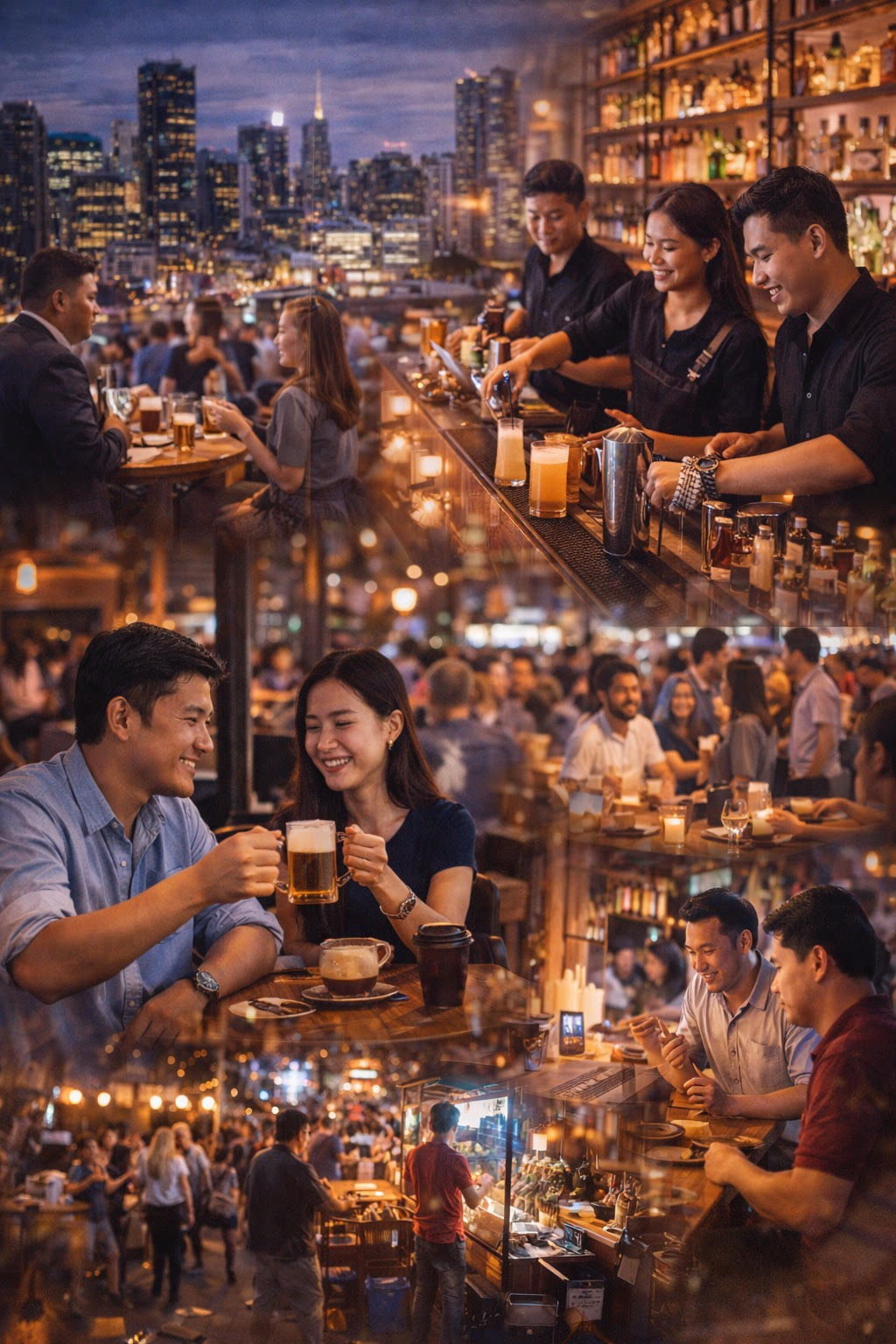
Nightlife is easy to dismiss as leisure, but it is a serious economic lane. Bars and late-night spots employ staff, buy from suppliers, rely on transport, and keep spending circulating in neighborhoods where many businesses would otherwise go dark. It is also where people decompress, network, talk business, and reset after long shifts. When managed responsibly, the night scene is not a distraction from commerce. It is commerce, with a social face.
Nightlife is easy to dismiss as leisure, but it is a serious economic lane. Bars and late-night spots employ staff, buy from suppliers, rely on transport, and keep spending circulating in neighborhoods where many businesses would otherwise go dark. It is also where people decompress, network, talk business, and reset after long shifts. When managed responsibly, the night scene is not a distraction from commerce. It is commerce, with a social face.
Layered Economy, Shared Streets
What makes Cebu different is how layered the economy is. The daytime city and the nighttime city overlap in the same streets, the same food corners, the same transport routes. A morning market vendor shares the city with a night shift worker buying dinner at 2 a.m. A startup meeting at a café shares the same neighborhood with a bar crew preparing for the evening. Different worlds, same Cebu. When the layers work well, the city feels alive. When they collide, pressure shows up fast.
What makes Cebu different is how layered the economy is. The daytime city and the nighttime city overlap in the same streets, the same food corners, the same transport routes. A morning market vendor shares the city with a night shift worker buying dinner at 2 a.m. A startup meeting at a café shares the same neighborhood with a bar crew preparing for the evening. Different worlds, same Cebu. When the layers work well, the city feels alive. When they collide, pressure shows up fast.
The Hidden Tax: Burnout and Rising Costs
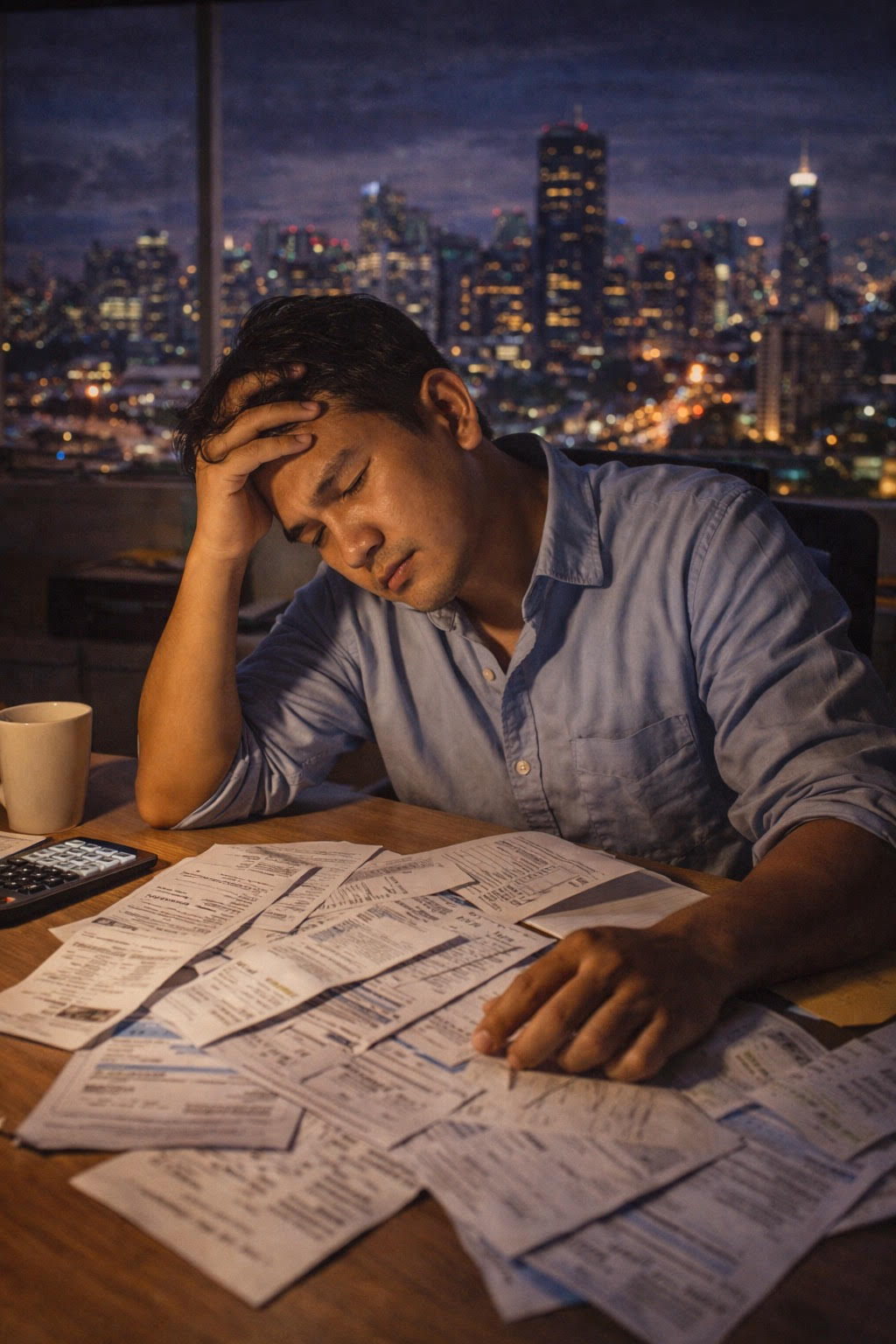
A 24-hour economy has a quiet bill that not everyone sees. It is paid in fatigue, health issues, long commutes, and the feeling of always catching up. As certain sectors grow, prices often rise across the board. Rent increases. Food gets pricier. Daily expenses creep. The result is a dangerous pattern: people work longer not to get ahead, but to avoid falling behind. This is where growth becomes complicated. The city expands, but the people powering it can feel squeezed.
A 24-hour economy has a quiet bill that not everyone sees. It is paid in fatigue, health issues, long commutes, and the feeling of always catching up. As certain sectors grow, prices often rise across the board. Rent increases. Food gets pricier. Daily expenses creep. The result is a dangerous pattern: people work longer not to get ahead, but to avoid falling behind. This is where growth becomes complicated. The city expands, but the people powering it can feel squeezed.
Growth That Stays Human
If Cebu wants long-term strength, it cannot rely on hustle alone. It needs systems that match its pace: safer and more reliable late-night transport, better urban planning, more livable housing options, fair labor practices, and a culture that values rest as much as output. Real progress is not only about buildings and business numbers. It is about whether the people building the city are still healthy enough to enjoy it.
If Cebu wants long-term strength, it cannot rely on hustle alone. It needs systems that match its pace: safer and more reliable late-night transport, better urban planning, more livable housing options, fair labor practices, and a culture that values rest as much as output. Real progress is not only about buildings and business numbers. It is about whether the people building the city are still healthy enough to enjoy it.

Who Gets to Rest?
This is the question that decides what kind of city Cebu becomes. In an always-on economy, rest becomes a privilege if leaders do not protect it. A city that keeps growing should also keep learning: how to design schedules that do not crush families, how to support mental health, how to make work sustainable, how to ensure growth does not feel like punishment. Because the truth is simple: Cebu’s economy is powered by lives, not just businesses.
This is the question that decides what kind of city Cebu becomes. In an always-on economy, rest becomes a privilege if leaders do not protect it. A city that keeps growing should also keep learning: how to design schedules that do not crush families, how to support mental health, how to make work sustainable, how to ensure growth does not feel like punishment. Because the truth is simple: Cebu’s economy is powered by lives, not just businesses.