Cebu Food Essentials: The Must-Try List
The food we love, the Cebu we live.
There are places you visit for the views, and places you return to for the food. Cebu is both, but it is the table that keeps calling you back. Here, flavor is not just preference, it is memory, comfort, and identity. It is shared. It is argued over. It is passed down. And for many Cebuanos, it is the easiest way to say, “Mao ni ang Cebu.”
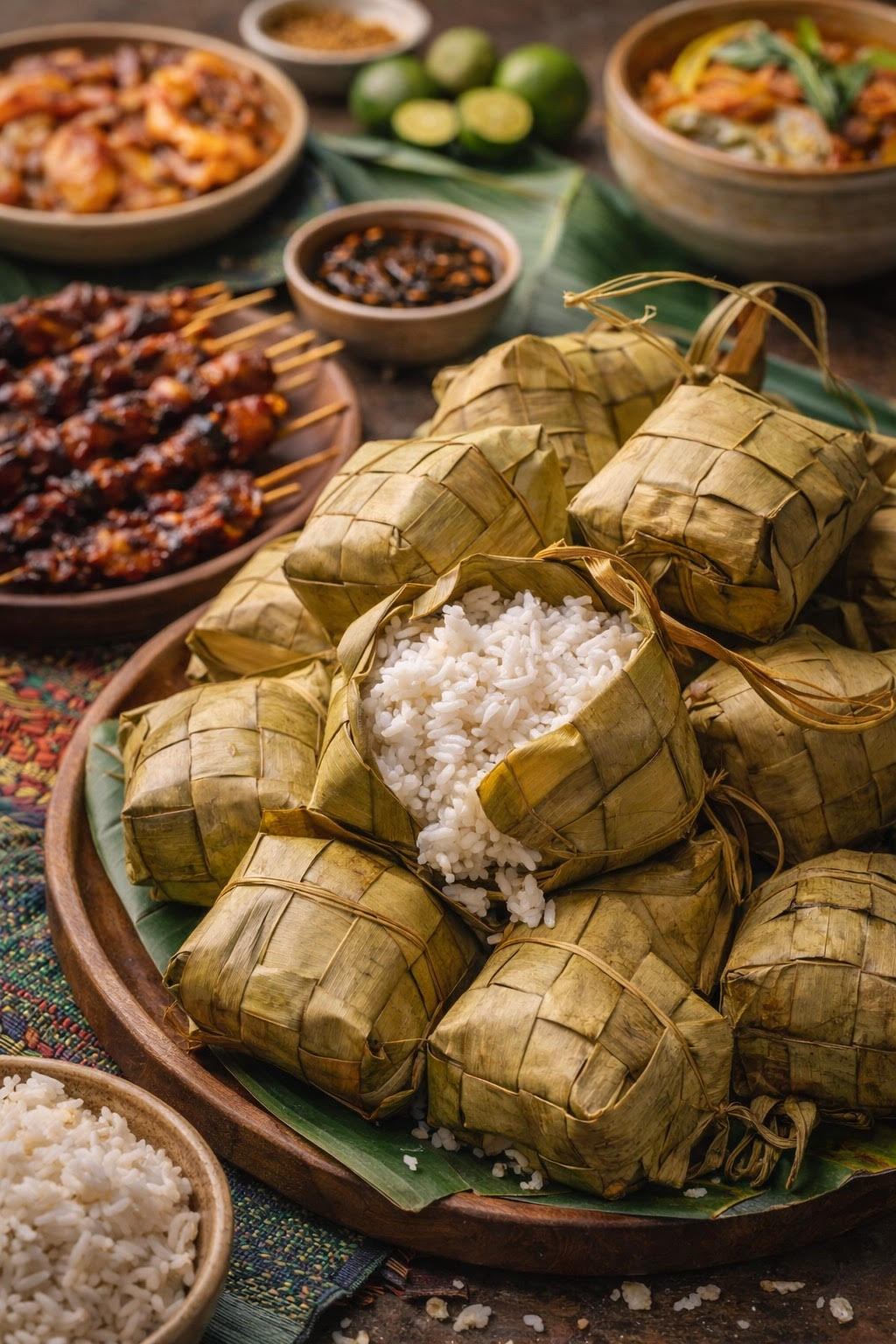
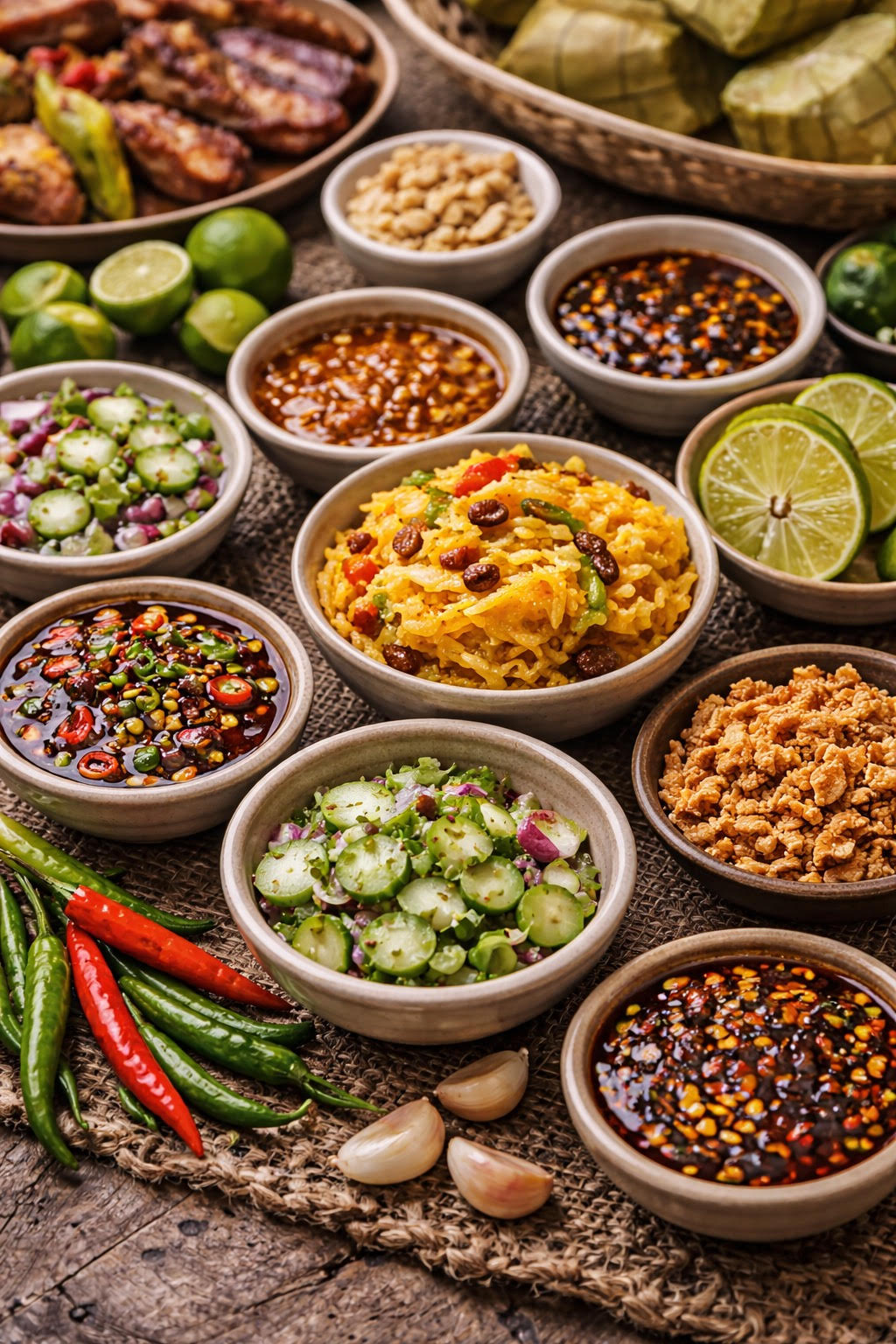
This cover is a snapshot of that truth: a feast that looks loud but feels familiar. The dishes are not staged as trends. They are staples, the kind you crave after a long day, the kind you bring home for family, the kind you recommend to visitors with full confidence.
This cover is a snapshot of that truth: a feast that looks loud but feels familiar. The dishes are not staged as trends. They are staples, the kind you crave after a long day, the kind you bring home for family, the kind you recommend to visitors with full confidence.
Lechon: the headline dish
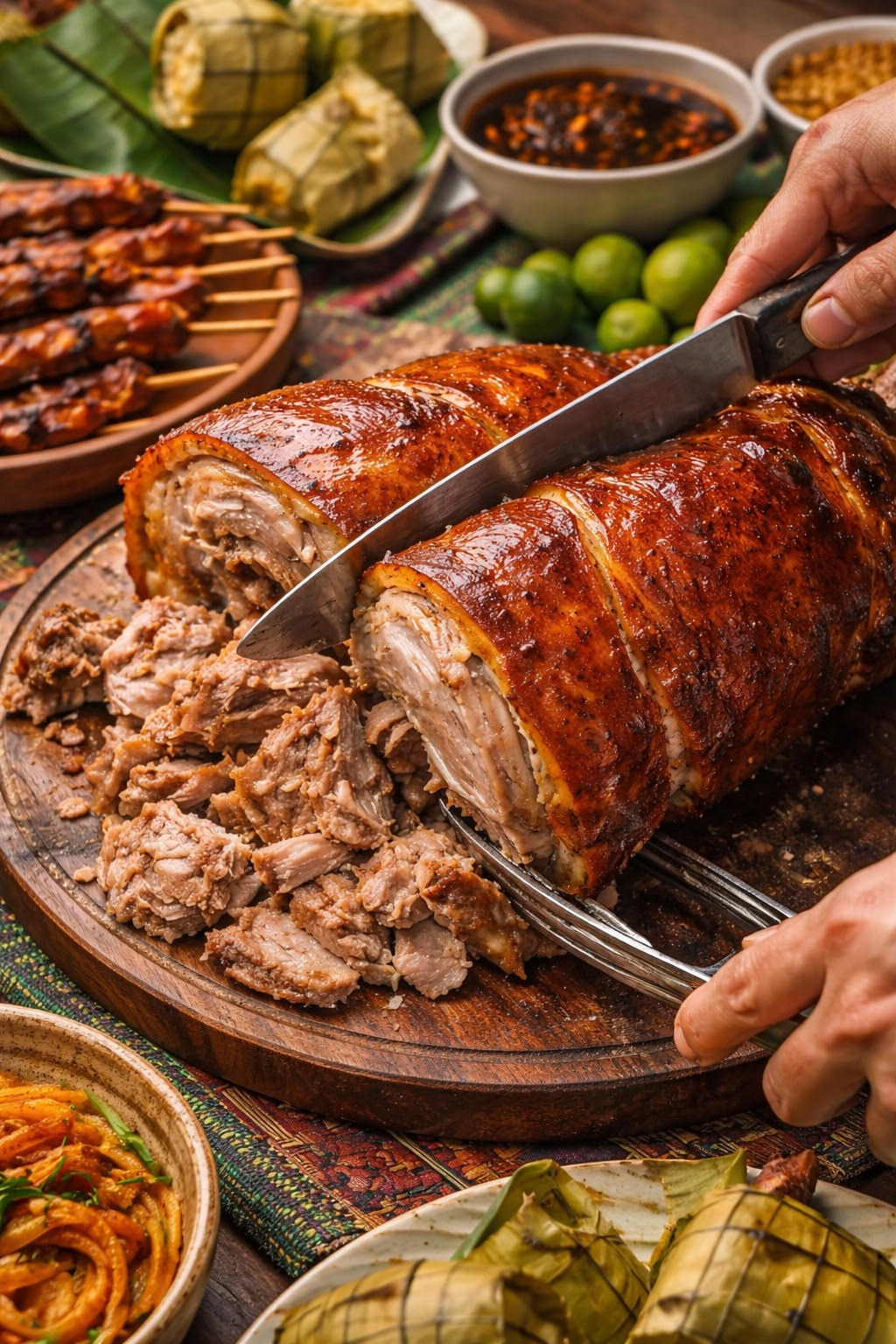
No Cebu must-try list is complete without lechon. Crispy skin, savory meat, and the ritual of gathering around it makes it more than food, it is celebration on a table. Whether it is a fiesta, a birthday, or a simple “naka-uli ta,” lechon is how Cebu shows up.
No Cebu must-try list is complete without lechon. Crispy skin, savory meat, and the ritual of gathering around it makes it more than food, it is celebration on a table. Whether it is a fiesta, a birthday, or a simple “naka-uli ta,” lechon is how Cebu shows up.
Puso: the quiet hero
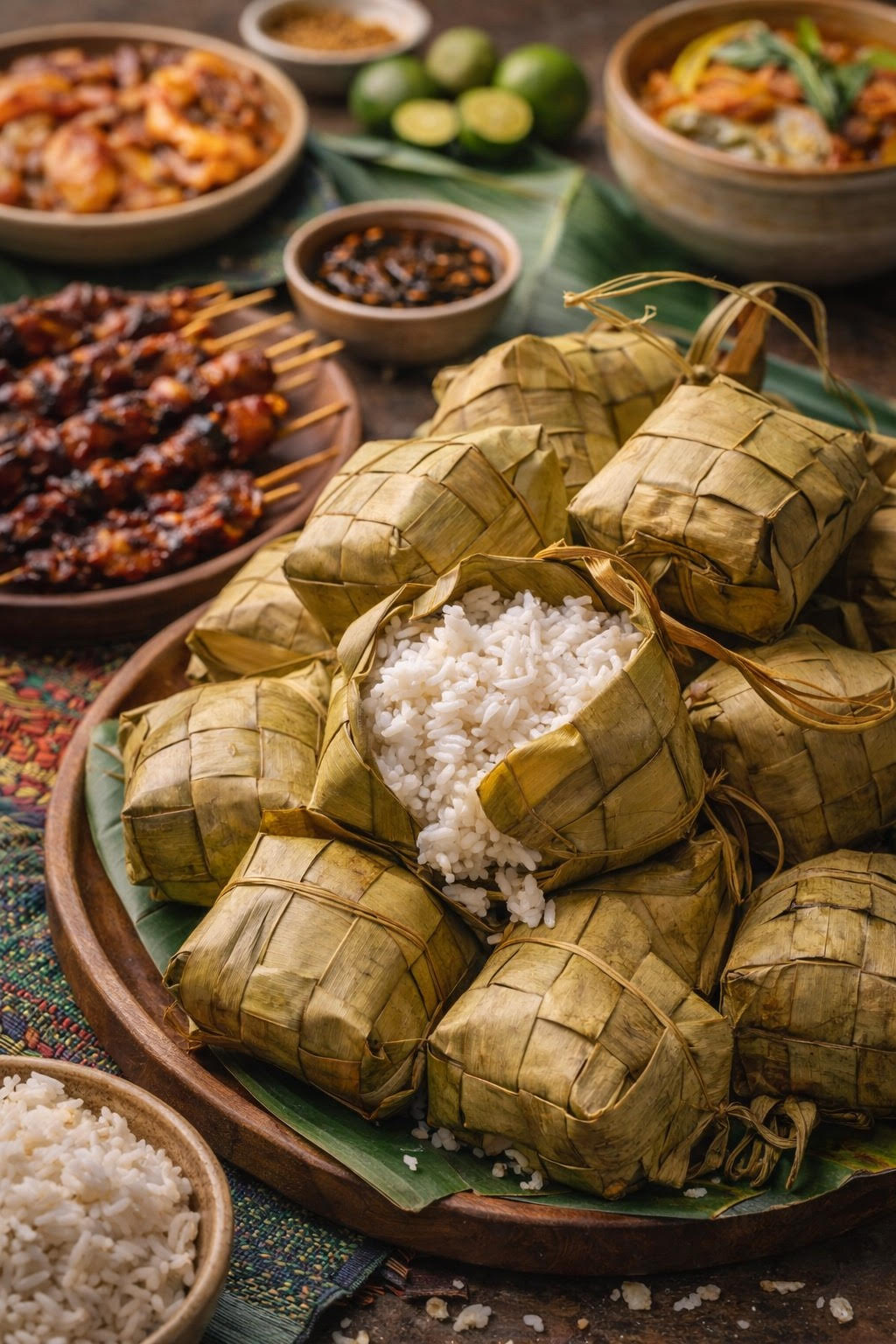
Wrapped in woven leaves, puso is Cebu’s most practical tradition. It is portable, neat, and built for street food culture. You see it beside barbecue stands and eateries because it belongs there. Puso is not trying to impress, it is trying to complete the meal, and it always does.
Wrapped in woven leaves, puso is Cebu’s most practical tradition. It is portable, neat, and built for street food culture. You see it beside barbecue stands and eateries because it belongs there. Puso is not trying to impress, it is trying to complete the meal, and it always does.
Sugba: where Cebu gets real
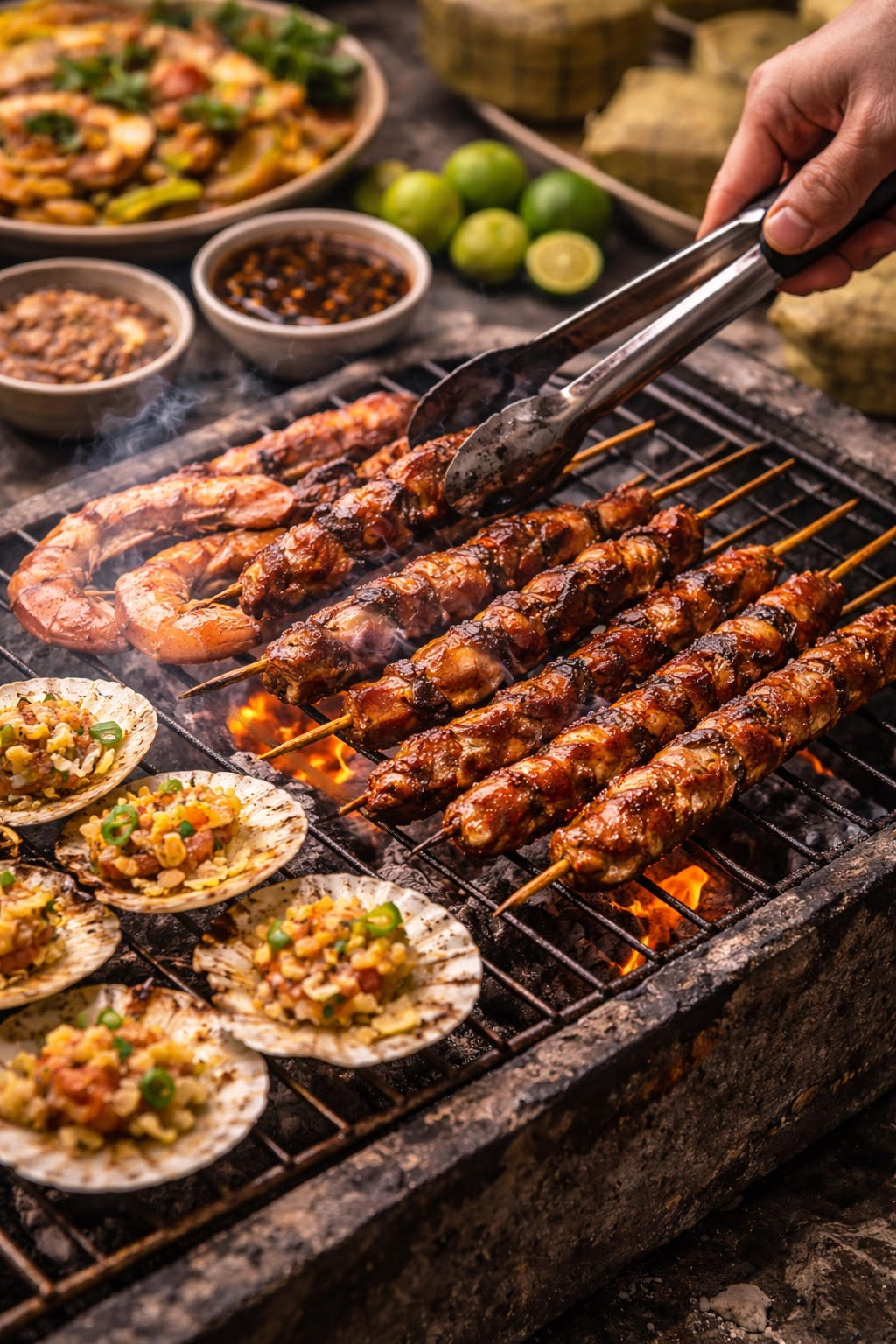
Barbecue sticks, grilled seafood, and smoky, charred edges. Sugba is where flavor becomes straightforward and honest. The best kind is eaten with hands, dipped into a simple sauce, and paired with laughter and cold drinks. It is the kind of meal that turns strangers into tablemates.
Barbecue sticks, grilled seafood, and smoky, charred edges. Sugba is where flavor becomes straightforward and honest. The best kind is eaten with hands, dipped into a simple sauce, and paired with laughter and cold drinks. It is the kind of meal that turns strangers into tablemates.
Seafood: fresh, bold, and local
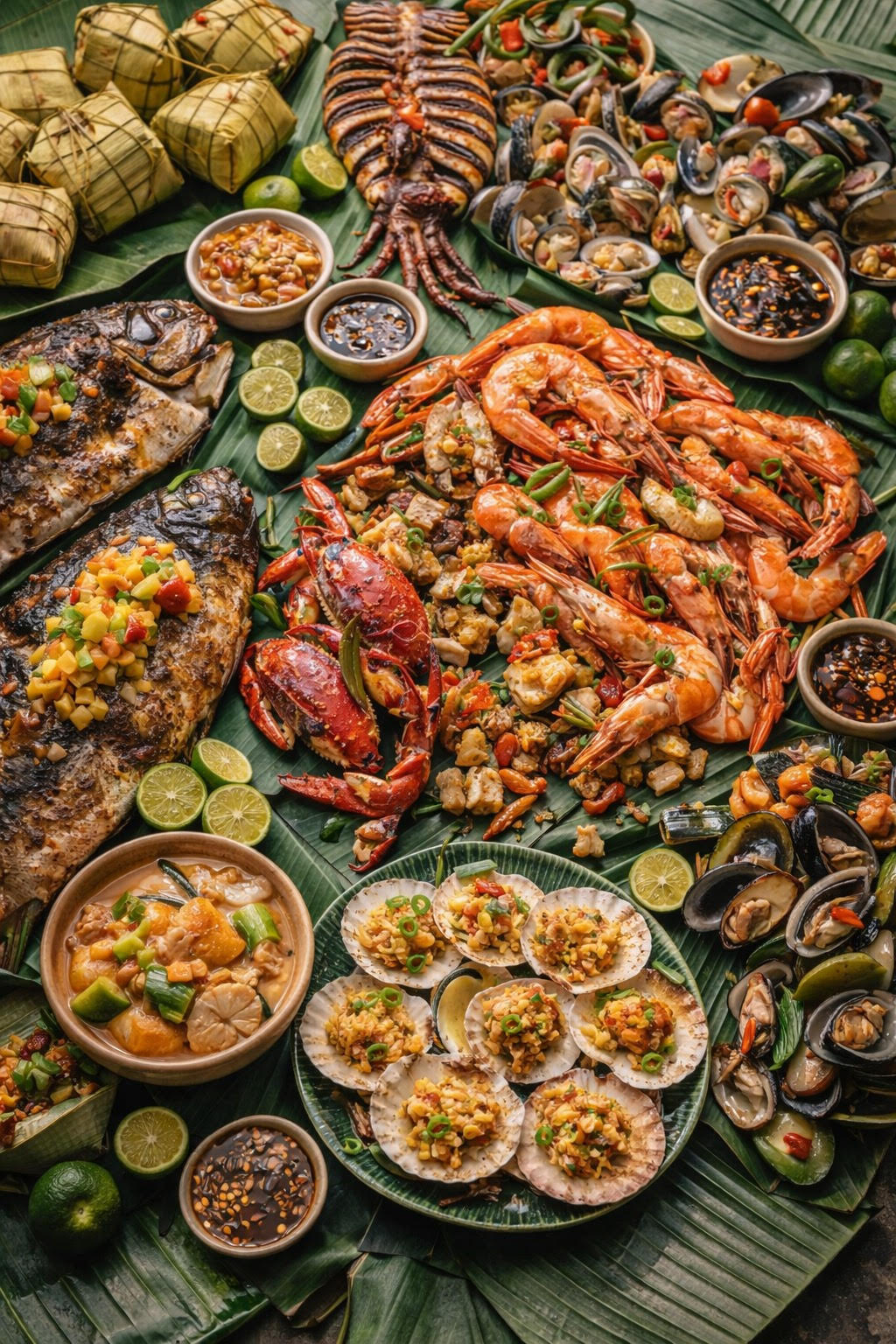
Cebu’s coastal life shows up in every bite. Shrimp, fish, shellfish, and stews that carry the taste of the sea. Seafood here is not meant to be delicate. It is meant to be enjoyed. Rich, saucy, spicy, and best shared in the middle of the table.
Cebu’s coastal life shows up in every bite. Shrimp, fish, shellfish, and stews that carry the taste of the sea. Seafood here is not meant to be delicate. It is meant to be enjoyed. Rich, saucy, spicy, and best shared in the middle of the table.
Noodles and comfort bowls
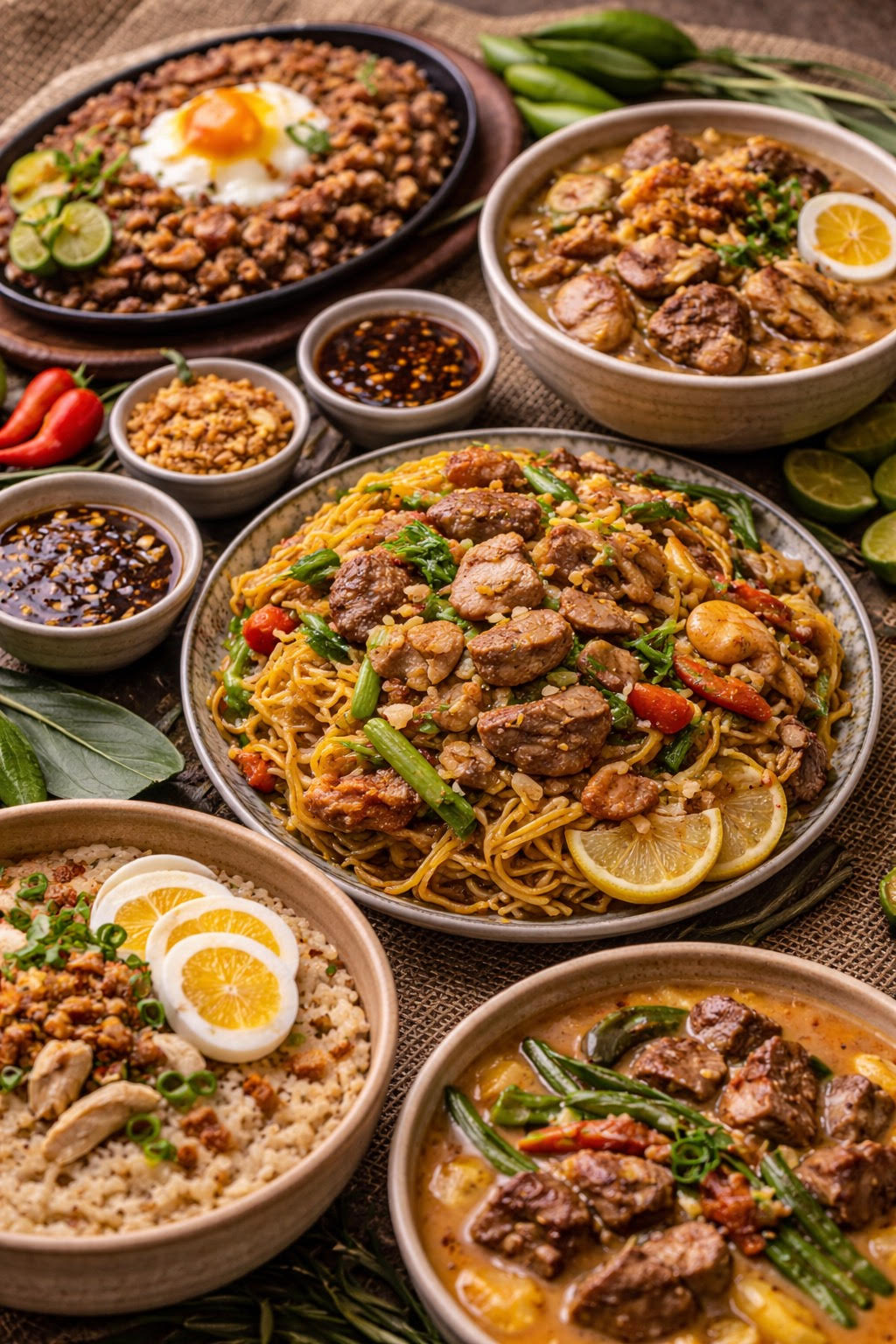
From pancit and stir-fried noodles to soups and saucy dishes, Cebu’s comfort food is built for everyday hunger. It is what you order when you want something filling, familiar, and dependable. It is what you eat when you do not need a special occasion.
From pancit and stir-fried noodles to soups and saucy dishes, Cebu’s comfort food is built for everyday hunger. It is what you order when you want something filling, familiar, and dependable. It is what you eat when you do not need a special occasion.
The sauces, the sides, the small details
In Cebu, the side dishes are not accessories. Calamansi, soy, vinegar, chili, and small bowls of sawsawan are part of the identity. The way you mix them says something about you. Some keep it classic. Some want it spicy. Some will always add more calamansi. There is no single correct way, only your way.
In Cebu, the side dishes are not accessories. Calamansi, soy, vinegar, chili, and small bowls of sawsawan are part of the identity. The way you mix them says something about you. Some keep it classic. Some want it spicy. Some will always add more calamansi. There is no single correct way, only your way.
A must-try list that’s really a love letter
What makes Cebu food “essential” is not its rarity, it is its presence. These dishes are essential because they are woven into daily life. They show up at family tables, roadside grills, late-night cravings, and weekend gatherings. They are affordable or festive, simple or rich, but always grounded.
To eat Cebu is to understand Cebu: hardworking, warm, and generous. Food here is not only about taste. It is about people. It is about sharing. And it is about the feeling you get when you take the first bite and think, “Ahh, mao ni.”
What makes Cebu food “essential” is not its rarity, it is its presence. These dishes are essential because they are woven into daily life. They show up at family tables, roadside grills, late-night cravings, and weekend gatherings. They are affordable or festive, simple or rich, but always grounded.
To eat Cebu is to understand Cebu: hardworking, warm, and generous. Food here is not only about taste. It is about people. It is about sharing. And it is about the feeling you get when you take the first bite and think, “Ahh, mao ni.”